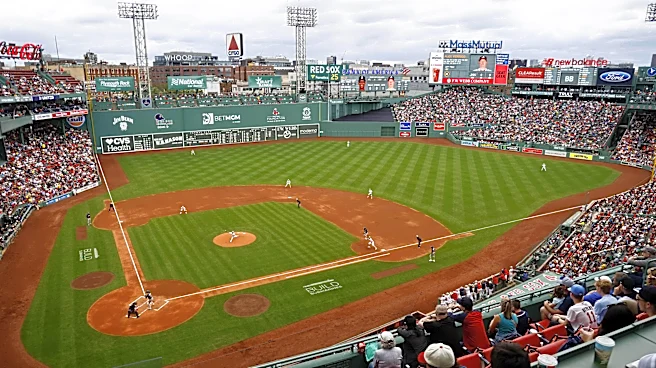





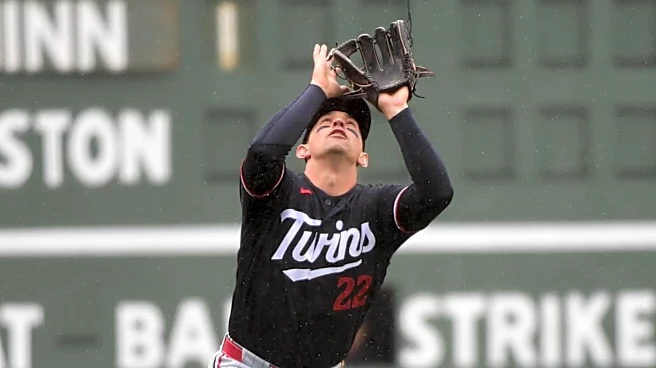

Fenway Park is more than just a baseball stadium; it is a cultural icon that holds a special place in the hearts of Bostonians and sports fans worldwide. Known for its unique features and rich history, Fenway Park has become a symbol of Boston's identity and a testament to the enduring appeal of America's pastime. This article explores the cultural impact of Fenway Park and its significance beyond the realm of sports.
A Symbol of Boston
Fenway Park is deeply intertwined
with the city of Boston, serving as a landmark at the end of the Boston Irish Heritage Trail. Its presence in the Fenway-Kenmore neighborhood has made it a focal point for the community, drawing visitors from near and far. Former Red Sox pitcher Bill Lee famously referred to Fenway Park as "a shrine," highlighting its revered status among baseball fans.
The park's addition to the National Register of Historic Places in 2012 further cemented its cultural significance. As one of the most well-known sports venues in the world, Fenway Park is a symbol of Boston's rich history and its passion for sports. It stands as a testament to the city's resilience and its ability to preserve its heritage while embracing modernity.
A Venue for Cultural Events
While Fenway Park is primarily known as the home of the Boston Red Sox, it has also played host to a variety of cultural and sporting events. Over the years, the park has been the site of professional football games, concerts, soccer matches, and even political and religious campaigns. This versatility has allowed Fenway Park to transcend its role as a baseball stadium and become a hub for cultural expression.
One notable event was a rally in June 1919, where nearly 50,000 supporters gathered to see the president of the Irish Republic, Éamon de Valera, in support of Irish independence. This event, allegedly the largest crowd ever in the ballpark, underscores Fenway Park's role as a venue for significant cultural and political gatherings.
The Green Monster and Other Quirks
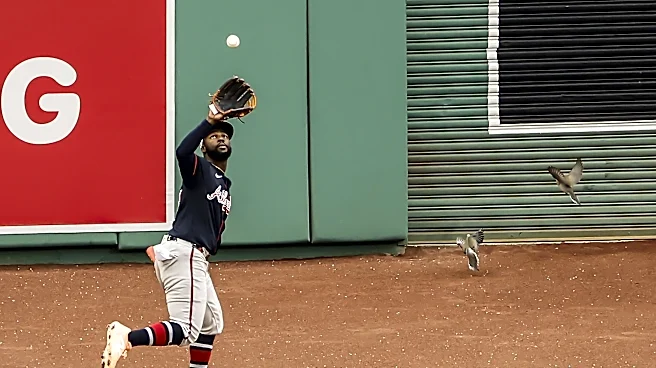
Fenway Park's unique features, such as the Green Monster, Pesky's Pole, and the Lone Red Seat, have become cultural symbols in their own right. The Green Monster, in particular, is one of the most recognizable elements of the park, known for its towering presence in left field. These quirks contribute to Fenway Park's charm and have become an integral part of its cultural identity.
In conclusion, Fenway Park's cultural impact extends far beyond the realm of baseball. As a symbol of Boston and a venue for diverse cultural events, it continues to captivate and inspire, leaving an indelible mark on the city's cultural landscape.