

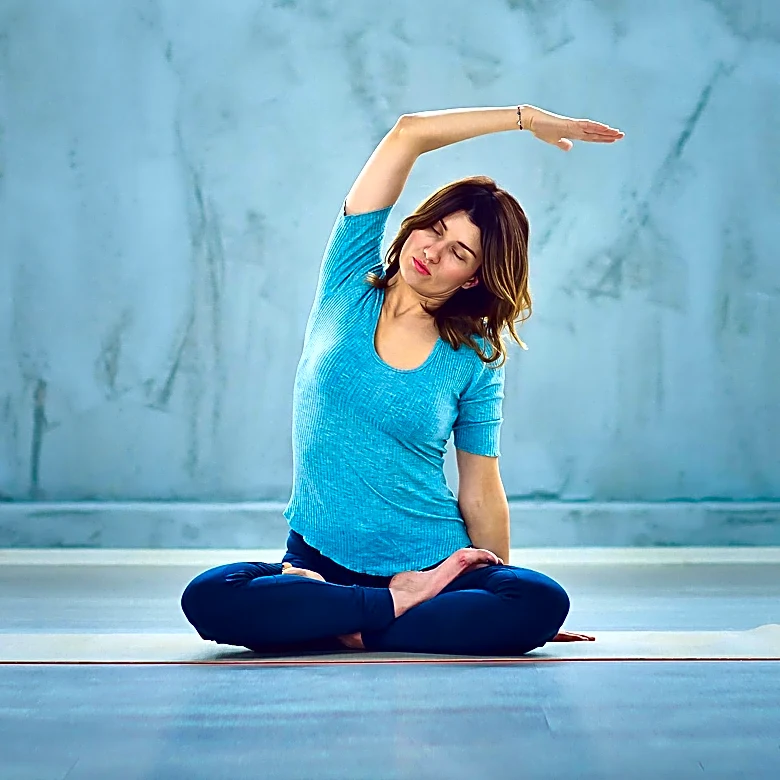


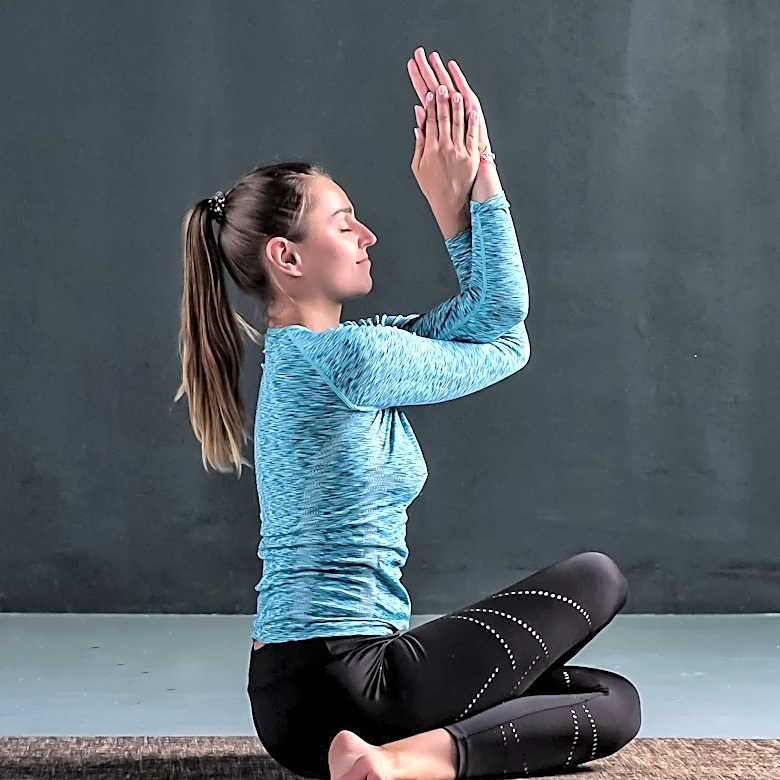





Breathwork encompasses a variety of practices that focus on the conscious control of breathing to influence mental, emotional, or physical states. These techniques have roots in different cultural and spiritual traditions and are often used for therapeutic purposes. While the evidence supporting their efficacy is limited, breathwork remains a popular practice for many seeking holistic well-being.
New Age Breathwork
New Age breathwork, developed by Leonard Orr in the
1970s, is a form of alternative medicine that aims to achieve altered states of consciousness. This practice is said to bring about physical, emotional, and spiritual changes by dissolving limiting programs stored in the mind and body. Practitioners believe that breathwork can increase one's ability to handle more energy and provide insights into the unconscious mind. During a typical session, individuals lie down and follow specific breathing methods, often lasting around an hour. While some advocate for solo practice, it is generally recommended to have a skilled practitioner present.
Pranayama: The Yogic Breath
Pranayama is a yogic practice that focuses on breath control and is considered one of the eight limbs of yoga. It is described in ancient Hindu texts like the Upanishads and the Bhagavad Gita. In classical yoga, pranayama is associated with the life energy or prana, and involves techniques such as purak (inhalation), kumbhak (retention), and rechak (exhalation). Modern yoga practices often synchronize breath with movement, differing from traditional methods that emphasize the complete cessation of breathing. Despite these variations, pranayama remains a cornerstone of yoga practice, aiding in meditation and mental stability.
Xingqi: Circulating Breath in Chinese Tradition
Xingqi, or circulating breath, is a group of ancient Chinese breath-control techniques that have been practiced since the Warring States period. These methods are part of Traditional Chinese Medicine and Daoist meditation, focusing on the circulation of qi, or vital energy, within the body. Techniques include rhythmic breathing, breath retention, and movements that mimic animals like the Toad, Tortoise, Wild Goose, and Dragon. Xingqi is believed to promote health and longevity by ensuring the smooth flow of qi and blood throughout the body. Practitioners use visualization and mental focus to guide the breath, aiming to harmonize the body's internal energies.
Breathwork, in its various forms, offers a unique approach to enhancing well-being by harnessing the power of breath. Whether through New Age practices, yogic traditions, or ancient Chinese techniques, breathwork continues to be a valuable tool for those seeking to improve their mental, emotional, and physical health.