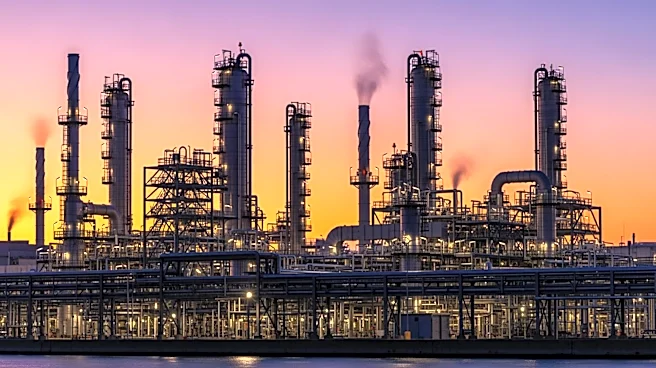






The Perm refinery is not just an industrial facility; it is a cornerstone of economic activity in the Perm region and a significant player in Russia's oil industry. With its capacity to process millions of tons of crude oil annually, the refinery has a profound impact on both local and national economies. This article explores the economic significance of the Perm refinery, highlighting its contributions to employment, regional development, and international
trade.
Employment and Regional Development
The Perm refinery has been a major employer in the region since its inception. During its construction phase in the 1950s, it provided jobs to thousands of workers, including local residents, prisoners, and foreign laborers. Today, it continues to be a significant source of employment, with thousands of staff involved in various operations.
The presence of the refinery has spurred regional development, attracting related industries and businesses to the area. The production of over sixty different petroleum products has created a demand for transportation, logistics, and other support services, further boosting the local economy. Additionally, the refinery's strategic location near the Trans-Siberian Railway and the Kama River enhances its logistical capabilities, facilitating the movement of goods and materials.
Contributions to National Economy
On a national level, the Perm refinery plays a crucial role in Russia's oil industry. It is one of the largest refineries in the country, with the capacity to process 13.1 million tons of crude oil per year. This capacity allows it to produce a wide range of petroleum products, including gasoline, diesel, aviation fuel, and liquefied petroleum gases.
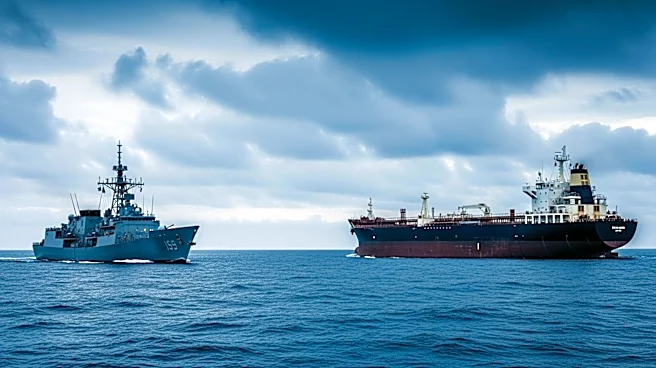
Before the Russian invasion of Ukraine in 2022, approximately half of the refinery's products were exported to international markets, contributing significantly to Russia's trade balance. Although exports have declined due to geopolitical tensions and sanctions, the refinery remains a vital component of the national economy, ensuring a steady supply of petroleum products for domestic consumption.
Challenges and Future Prospects
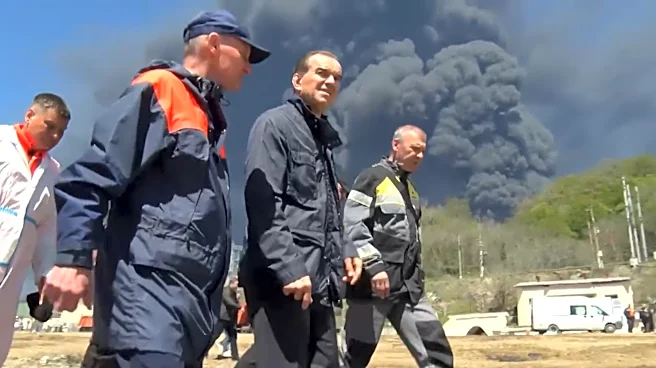
Despite its economic contributions, the Perm refinery faces challenges, including environmental concerns and safety issues. Incidents such as the hydrogen sulfide leak in 2009 and subsequent fires have raised questions about safety protocols and environmental impact.
Looking ahead, the refinery's future prospects depend on its ability to adapt to changing market conditions and regulatory environments. Continued investment in modernization and safety measures will be crucial to maintaining its economic significance.
In summary, the Perm refinery is a key economic driver in the Perm region and a significant player in Russia's oil industry. Its contributions to employment, regional development, and national trade underscore its importance in the economic landscape.