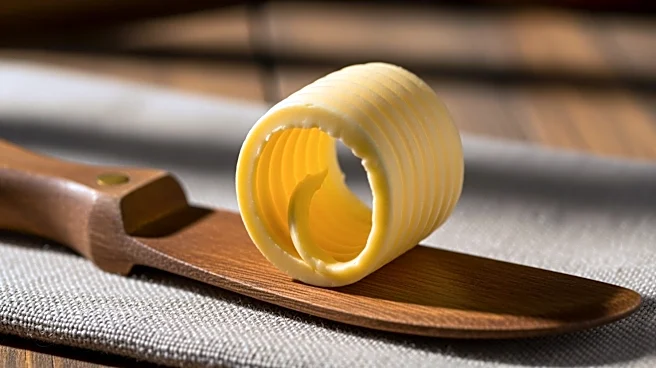





Butter is more than just a cooking ingredient; it is a cornerstone of many culinary traditions around the world. This article explores how butter is used in different cuisines, highlighting its versatility and cultural significance in cooking and baking.
French Cuisine and Beyond
In French cuisine, butter is indispensable, often used to enhance the flavor and texture of dishes. It plays a crucial role in classic sauces like hollandaise and béarnaise, where it is emulsified
with egg yolks to create a rich, creamy texture. French chefs have long extolled the virtues of butter, with its use dating back to the 17th century.
Butter is also essential in baking, where it contributes to the flakiness of pastries and the tenderness of cakes. In France, the quality of butter is highly regarded, with a minimum butterfat content of 82% compared to the 80% standard in the U.S. This higher fat content, along with the practice of using cultured butter, is believed to enhance the flavor of French pastries.
Indian Cuisine and Ghee
In Indian cuisine, butter takes on a different form as ghee, a type of clarified butter. Ghee is made by heating butter to remove the water and milk solids, resulting in a pure butterfat with a nutty flavor. It is a staple in Indian cooking, used for frying, sautéing, and as a base for curries and dals.
Ghee's high smoke point makes it ideal for cooking at high temperatures, and its rich flavor adds depth to dishes. It is also valued for its long shelf life, as the removal of milk solids helps prevent rancidity. In addition to its culinary uses, ghee is often used in traditional medicine and religious rituals in India.
Butter in American and European Kitchens
In the United States and the United Kingdom, sweet cream butter is the norm, made from fresh cream without fermentation. This type of butter is favored for its mild flavor and is commonly used in baking and cooking. It is also a popular spread for bread and toast, often enjoyed with a sprinkle of salt.
In Europe, cultured butter is more prevalent, known for its tangy taste and higher butterfat content. This type of butter is often used in baking to create rich, flavorful pastries and breads. The preference for cultured butter in Europe reflects a long-standing tradition of butter-making that emphasizes flavor and quality.
Butter's role in culinary traditions is a testament to its versatility and enduring appeal. Whether it's the rich sauces of French cuisine, the nutty ghee of Indian dishes, or the simple pleasure of buttered toast, this dairy product continues to be a beloved ingredient in kitchens around the world.