



Coin mints have a long and storied history that dates back to ancient times. These facilities, responsible for producing coins used as currency, have evolved significantly over the centuries. From the early days of hammered and cast coinage to the modern, high-tech operations of today, the evolution of mints reflects broader changes in technology and economics. This article explores the historical development of coin mints and their impact on currency production.
Early Coinage and the First Mints
The concept of minting coins likely began in Lydia in the 7th century BC, where the first mints were established to produce gold, silver, and electrum coins. These early coins were often hammered or cast, with production runs numbering in the hundreds or thousands. The first coins minted on European soil are believed to have come from the island of Aegina, featuring a turtle design.
As coinage spread, mints appeared independently in various regions, including China, Korea, and Japan. The Roman Republic, around the 4th century BCE, played a significant role in influencing the development of coin minting in Europe. Roman mints were widespread across the Empire and often used for propaganda, with new coins announcing the reign of new emperors.
Technological Advancements in Minting
The technology used in minting coins has undergone significant changes over the centuries. Ancient coins were initially made by casting in molds or striking between engraved dies. The Romans used clay molds for larger copper coins, while smaller coins were struck between dies. The introduction of iron for dies around 300 AD marked a shift from striking hot blanks to using cold dies.
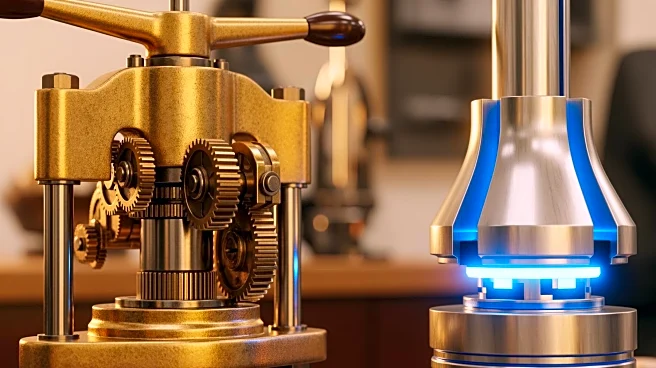
In the Middle Ages, coin production involved casting metal bars, hammering them into sheets, and cutting out coin blanks. The introduction of the screw press in the 16th century marked a significant advancement, allowing for more precise and efficient coin production. This technology was further refined with the invention of steam-powered presses in the 18th century by industrialist Matthew Boulton.
Modern Coin Minting
Today, coin mints are highly sophisticated operations capable of producing billions of coins annually. Modern mints use advanced machinery to manufacture coin dies and planchets, resulting in milled coins with precise dimensions and uniform weight. The production cost of coins is a critical consideration, with mints aiming to produce coins at a cost lower than their face value.
The evolution of coin mints reflects broader technological advancements and economic considerations. From their humble beginnings in ancient Lydia to the high-tech facilities of today, mints have played a crucial role in the production of currency. As technology continues to advance, mints will likely continue to evolve, adapting to new challenges and opportunities in the world of currency production.