

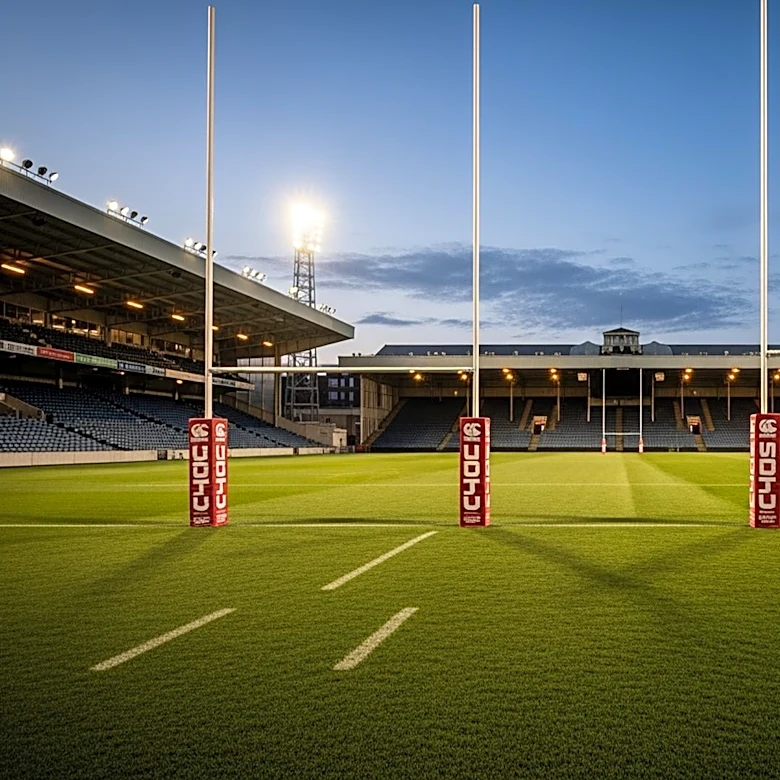





Örjans Vall, a football stadium located in Halmstad, Sweden, has a rich history that dates back to its construction in 1922. Originally named Halmstads Idrottsplats, the stadium has undergone several transformations and renovations, reflecting its importance in Swedish sports culture. This article explores the historical evolution of Örjans Vall, highlighting key milestones and changes over the years.
Early Beginnings and Name Change
Örjans Vall was inaugurated on July 30, 1922, by
the Crown Prince of Sweden, Gustaf Adolf, who later became the king. The opening ceremony was a significant event, attracting 12,000 spectators inside the stadium, with many more gathered outside. Initially named Halmstads Idrottsplats, the stadium was soon renamed Örjans Vall in August 1922. The new name was inspired by a medieval hospital, S:t Örjans, which once stood on the same site.
The first football game at Örjans Vall took place on September 3, 1922. Over the years, the stadium became a hub for various sports, including athletics, as it was originally surrounded by running tracks. These tracks were a central feature until the 1980s, serving as the main site for local athletic clubs.
Renovations and Upgrades
The stadium has seen several renovations to accommodate the growing needs of its users. In 1972, the original wooden constructions were replaced with a new main stand and scoreboard, marking a significant upgrade in the stadium's facilities. This renovation was crucial in maintaining the stadium's relevance and usability for both local and international events.
In 2013, Halmstad Municipality decided to invest 75 million SEK in a comprehensive renovation of Örjans Vall. Although the renovation was initially planned to be completed by the 2015 season, it faced delays and was finally finished in 2017. This renovation aimed to modernize the stadium while preserving its historical significance.
Örjans Vall in International Tournaments
Örjans Vall has played a role in several international tournaments, showcasing its importance on the global stage. During the 1958 FIFA World Cup, Sweden hosted the event, and Örjans Vall was selected to host two Group 1 matches. This inclusion highlighted the stadium's capacity to host significant international events.
In 2009, the stadium was chosen as a replacement venue for the UEFA Under-21 European Championship due to a legal issue with another stadium. Örjans Vall hosted three games in Group B, further cementing its status as a versatile and important venue. Additionally, the stadium was one of the seven venues for the UEFA Women's Euro 2013, hosting three group stage matches and a quarter-final.
Örjans Vall's historical evolution reflects its adaptability and enduring significance in Swedish sports culture. From its early days as Halmstads Idrottsplats to its role in international tournaments, the stadium continues to be a vital part of Halmstad's sporting landscape.