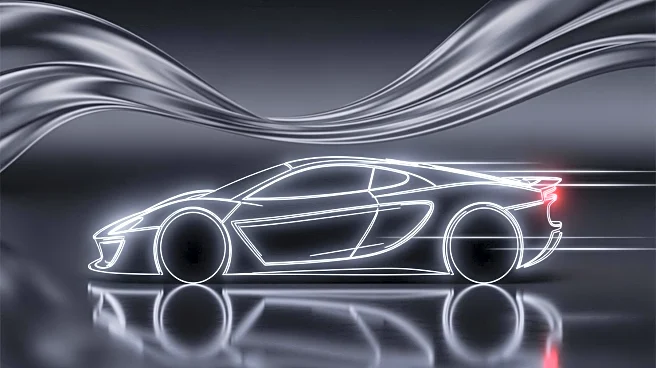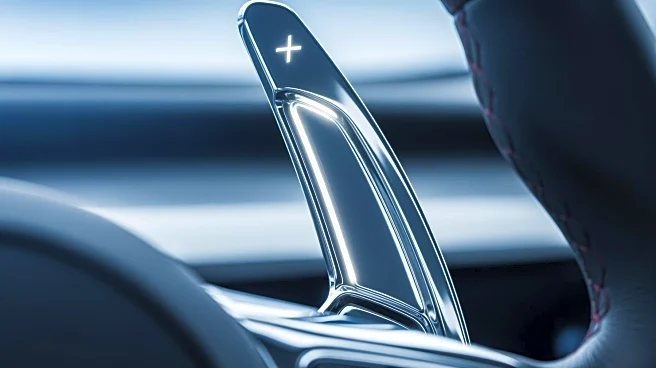

Paddle shifters have become a popular feature in modern vehicles, offering drivers the ability to manually shift gears in automatic transmissions. This technology has evolved significantly over the years, providing greater control and enhancing the driving experience. Located behind the steering wheel, paddle shifters allow drivers to upshift or downshift with ease, making them a favored choice for those seeking a more engaging drive.
Early Beginnings
The concept of
paddle shifters can be traced back to the development of semi-automatic transmissions. These systems were designed to offer a blend of manual and automatic transmission features, allowing drivers to select gears without the need for a clutch pedal. Early versions of these systems used various methods for clutch actuation, including hydraulic, pneumatic, and electromechanical systems.
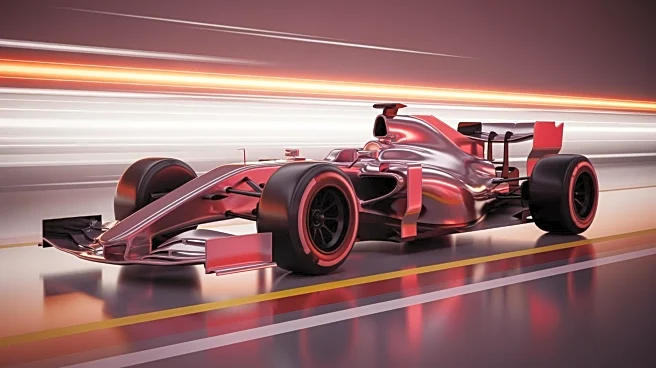
In the 1980s, Ferrari introduced a semi-automatic paddle shift transmission in their Formula One racing cars, marking a significant milestone in the evolution of this technology. This system allowed drivers to shift gears using paddles mounted behind the steering wheel, providing faster and more precise gear changes.
Technological Advancements
As automotive technology advanced, so did the design and functionality of paddle shifters. Modern paddle shifters are often integrated with electronic control systems that manage gear selection, clutch actuation, and engine rev-matching. This integration allows for smoother and quicker gear changes, enhancing the overall driving experience.
Manufacturers have developed various systems to automate the clutch and gear shifting processes, using methods such as electro-hydraulic actuation and electronic sensors. These advancements have made paddle shifters more reliable and efficient, contributing to their widespread adoption in both high-performance and everyday vehicles.
Impact on Driving Experience
Paddle shifters have transformed the driving experience by offering greater control over gear selection. Drivers can manually shift gears without taking their hands off the steering wheel, allowing for a more engaging and dynamic drive. This feature is particularly popular among enthusiasts who enjoy the thrill of manual gear changes without the complexity of a traditional manual transmission.
The ability to control gear shifts manually also provides practical benefits, such as improved fuel efficiency and better handling in various driving conditions. By allowing drivers to select the optimal gear for the situation, paddle shifters contribute to a more responsive and adaptable driving experience.
Overall, the evolution of paddle shifters reflects the ongoing advancements in automotive technology, offering drivers a unique blend of control, convenience, and performance.