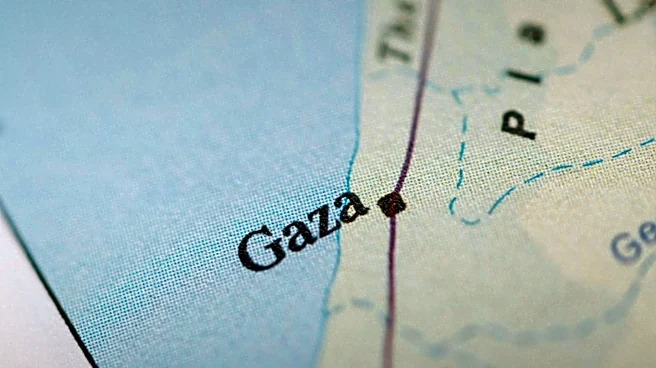


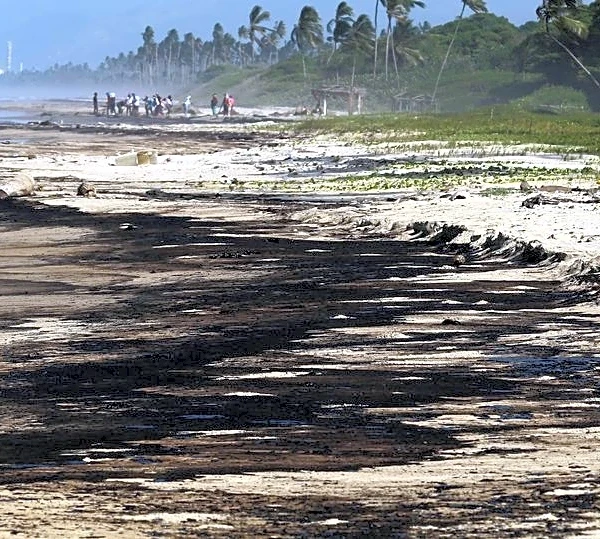







The Mediterranean Sea has long been a geopolitical crossroads, influencing the political dynamics of the surrounding regions. Its strategic location, connecting Europe, Africa, and Asia, has made it a focal point for power struggles and diplomatic interactions throughout history. The sea's geopolitical significance continues to shape regional and global politics today.
Historical Geopolitical Significance
Throughout history, the Mediterranean Sea has been a battleground for empires seeking
to expand their influence. The Roman Empire's control over the Mediterranean, known as "Mare Nostrum," allowed it to dominate trade and secure its borders. This control was challenged by rival powers, such as the Carthaginians and later the Byzantine Empire, leading to a series of conflicts that shaped the region's political landscape.
The rise of Islamic powers in the 7th century introduced new geopolitical dynamics to the Mediterranean. The Umayyad and Abbasid caliphates expanded their territories across North Africa and into the Iberian Peninsula, establishing a powerful presence in the region. This expansion led to cultural and economic exchanges between the Islamic world and Europe, influencing the development of both regions.
Modern Geopolitical Challenges
In modern times, the Mediterranean Sea remains a critical geopolitical arena. The opening of the Suez Canal in 1869 enhanced its strategic importance by providing a direct link between the Mediterranean and the Red Sea, facilitating global trade between Europe and Asia. Control over the canal has been a point of contention, with various powers vying for influence in the region.
The Mediterranean is also a focal point for contemporary geopolitical challenges, including migration, security, and energy resources. The sea serves as a major route for migrants and refugees seeking to reach Europe, leading to complex political and humanitarian issues. Additionally, the discovery of natural gas reserves in the eastern Mediterranean has heightened tensions among neighboring countries, as they compete for access to these valuable resources.
The Mediterranean's Role in Global Politics
The Mediterranean Sea's geopolitical significance extends beyond the region, impacting global politics and international relations. Its strategic location makes it a key transit point for global trade, with significant implications for economic and security policies. The sea's role in connecting different regions and cultures underscores its importance as a center of diplomatic engagement and cooperation.
As a geopolitical crossroads, the Mediterranean continues to influence the political dynamics of the surrounding regions and the world at large. Its strategic importance and complex challenges make it a critical area of focus for policymakers and international organizations. The Mediterranean Sea's enduring significance as a geopolitical crossroads highlights its role in shaping the course of history and the future of global politics.