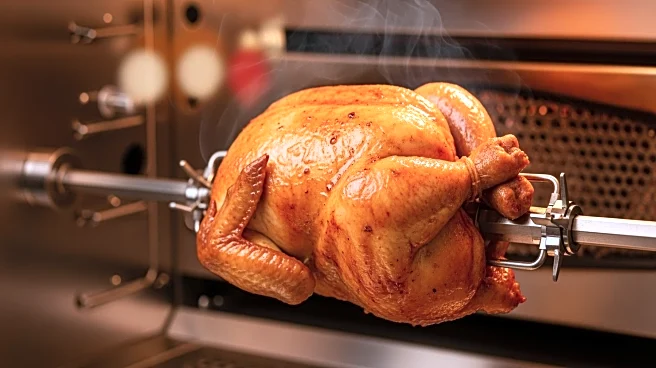

Rotisserie chicken has become a staple in American households, offering a convenient and delicious meal option for busy families. Its journey from a niche product to a mainstream favorite reflects broader
trends in consumer preferences and retail strategies. Understanding the evolution of rotisserie chicken in the United States provides insight into the changing landscape of food consumption.
Early Beginnings
The availability of ready-to-eat rotisserie chickens in the United States dates back to the twentieth century, when they were sold in supermarkets and butcher shops. However, it wasn't until the early 1990s that rotisserie chicken gained widespread popularity, thanks in part to the efforts of Boston Market. This chain helped popularize the selling of packaged rotisserie chickens, making them accessible to a broader audience.
Boston Market's success in promoting rotisserie chicken marked a turning point in the American food industry. By offering a convenient and flavorful meal option, the chain tapped into the growing demand for ready-to-eat foods, paving the way for rotisserie chicken to become a household staple.
Rise in Popularity
The popularity of rotisserie chicken continued to soar throughout the 2000s, with millions of chickens sold annually in supermarkets, club stores, and retail outlets. In 2010, consumers purchased 600 million rotisserie-cooked chickens, and by 2018, that number had risen to over 900 million. This growth reflects the increasing demand for convenient meal solutions that do not compromise on taste or quality.
Retail giants like Costco have played a significant role in the rise of rotisserie chicken. Known for its consistent pricing and quality, Costco has become a leading producer and vendor of rotisserie chickens in the United States. The chain's commitment to maintaining a stable price point has contributed to the widespread appeal of rotisserie chicken among American consumers.
Modern-Day Staple
Today, rotisserie chicken is a fixture in American supermarkets, offering a versatile and affordable meal option for families across the country. The chickens are often injected with brine to retain moisture and enhance flavor, ensuring that they remain juicy and delicious. This attention to quality has helped rotisserie chicken maintain its status as a popular choice for home cooks and food enthusiasts alike.
The evolution of rotisserie chicken in the United States highlights the dynamic nature of the food industry and the importance of adapting to consumer needs. As a convenient and flavorful dish, rotisserie chicken continues to be a favorite among Americans, reflecting broader trends in food consumption and retail strategies.