




Finches are a fascinating group of birds known for their vibrant colors and seed-eating habits. Belonging to the family Fringillidae, these birds are found across the globe, except in Australia and the polar regions. With over 200 species divided into 50 genera, finches display a remarkable diversity in appearance and behavior. This article delves into the unique characteristics and wide-ranging habitats of these captivating birds.
Characteristics of True Finches
True finches are
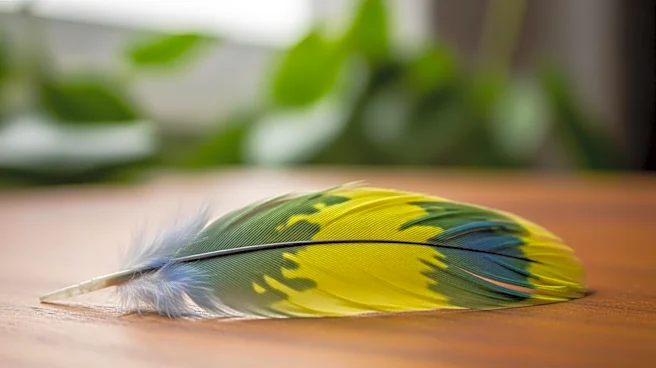
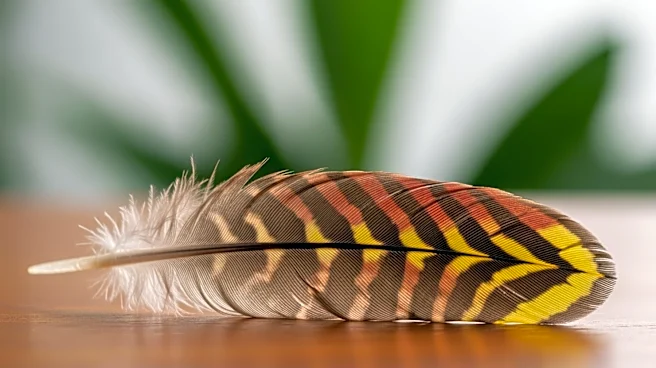
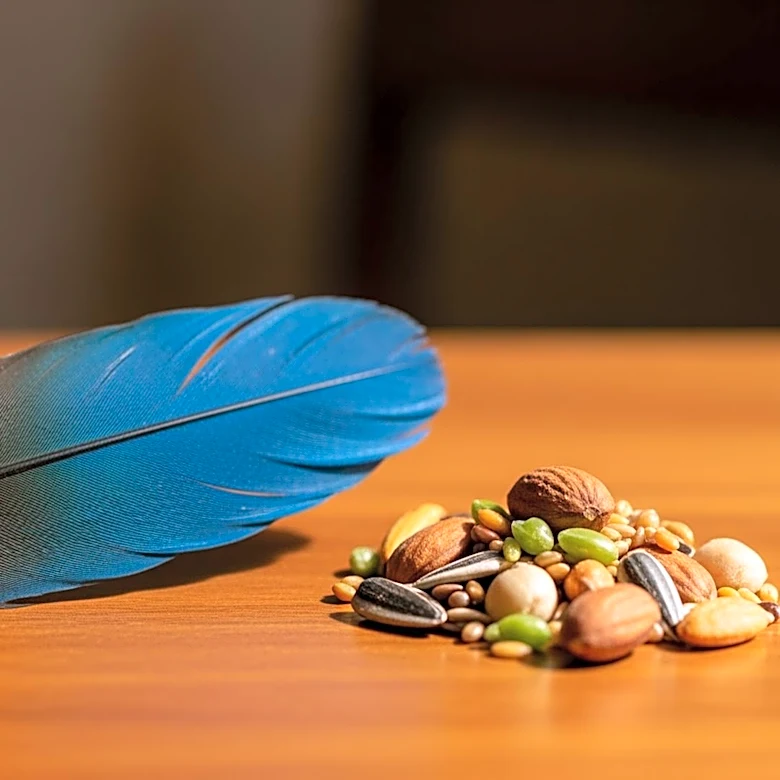
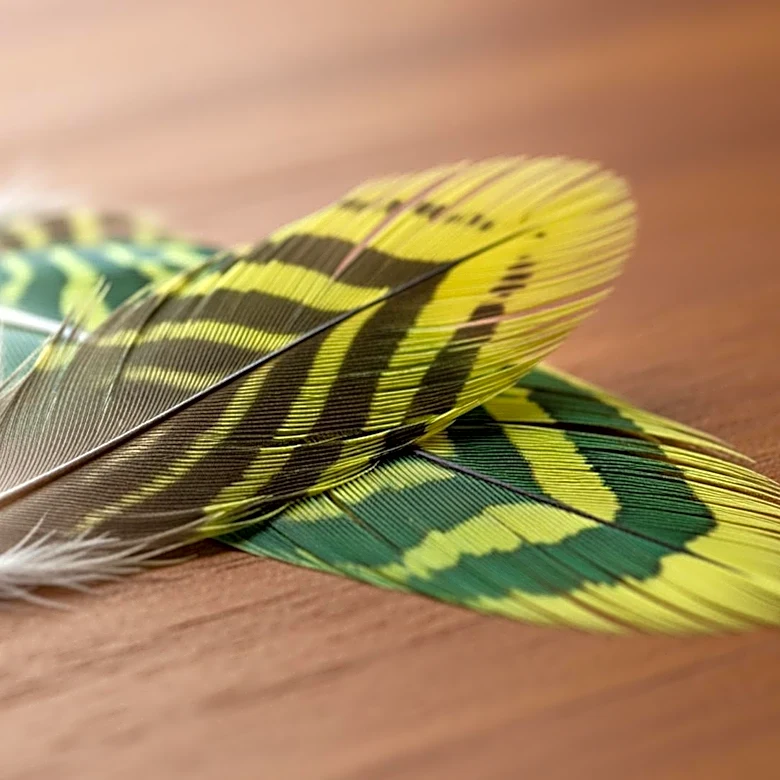
small to medium-sized passerine birds, easily recognized by their stout, conical bills. These bills are perfectly adapted for their primary diet of seeds and nuts. Many finches also boast colorful plumage, which can vary significantly between species. The basic plumage color is often brownish or greenish, with many species exhibiting striking black, yellow, or red markings. Interestingly, the bright colors in finches are due to carotenoid pigments, which can turn blue structural colors into green.
Another notable feature of true finches is their strong sexual dichromatism. In many species, males display more vibrant colors compared to females, who often have more subdued tones. This difference in coloration plays a role in mating and territorial behaviors. Additionally, all true finches have nine primary remiges and twelve rectrices, which contribute to their distinctive flight patterns.
Habitat and Distribution
Finches have a near-global distribution, inhabiting a variety of environments across the Americas, Eurasia, and Africa. They are typically found in well-wooded areas, but some species have adapted to life in mountains or even deserts. Despite their wide range, finches are absent from Australasia, Antarctica, and the Southern Pacific islands. However, some European species have been introduced to Australia and New Zealand, where they have established populations.
The adaptability of finches to different habitats is a testament to their evolutionary success. Their ability to thrive in diverse environments has allowed them to occupy ecological niches that range from dense forests to arid landscapes.
Behavior and Diet
Finches are primarily granivorous, relying on seeds as their main food source. However, their diet can vary depending on the species and availability of food. For instance, euphoniines, a subfamily of finches, include a significant amount of arthropods and berries in their diet. Hawaiian honeycreepers, another group within the finch family, have evolved to exploit a wide range of food sources, including nectar.
The feeding habits of finches are closely linked to their breeding behaviors. During the nesting season, finches often incorporate small arthropods into their diet to provide essential nutrients for their young. This dietary flexibility is crucial for the survival of finch populations, especially in changing environments.
In conclusion, the true finches of the family Fringillidae are a diverse and adaptable group of birds. Their unique characteristics, wide distribution, and varied diets make them a fascinating subject for ornithologists and bird enthusiasts alike. Whether in a dense forest or a barren desert, finches continue to captivate with their vibrant colors and lively behaviors.