






Great Sand Dunes National Park and Preserve is a geological wonder, showcasing the intricate processes that have shaped its landscape over millions of years. The park's towering sand dunes, the tallest in North America, are the result of a unique combination of geological and climatic factors. This article explores the geological history of the park and the forces that continue to shape its features.
Formation of the San Luis Valley
The story of Great Sand Dunes begins with the formation
of the San Luis Valley, a large basin nestled between the Sangre de Cristo Range and the San Juan Mountains. The valley was formed through tectonic activity, as the Sangre de Cristo Range was uplifted and volcanic activity created the San Juan Mountains. Over time, sediments from these mountains filled the valley, creating a deep chasm that would eventually become the San Luis Valley.
During the Pleistocene epoch, the valley was home to large lakes, including Lake Alamosa, which covered much of the valley floor. As the climate changed and the lakes receded, vast amounts of sand were left behind. This sand, carried by prevailing southwest winds, began to accumulate at the base of the Sangre de Cristo Range, forming the dune field we see today.
The Dune Field and Sand Recycling
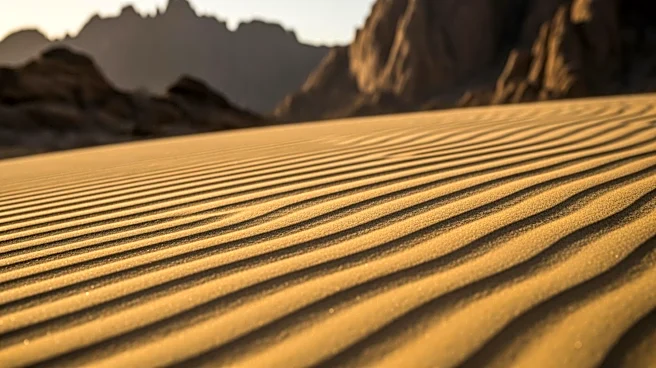
The dune field at Great Sand Dunes National Park covers an area of about 78 square kilometers and contains over 1.2 cubic miles of sand. The dunes are primarily composed of quartz and other minerals, including magnetite, which gives some areas a darker appearance. The unique shape and height of the dunes are a result of opposing wind directions, which cause the sand to grow vertically.
Two mountain streams, Medano and Sand Creeks, play a crucial role in the sand recycling process. These streams capture sand from the mountainside of the dune field and carry it back to the valley floor, where it is picked up by the wind and redeposited in the dunes. This continuous cycle of sand movement is essential for maintaining the height and stability of the dunes.
Geological Significance
The geological features of Great Sand Dunes National Park offer valuable insights into the Earth's history and the processes that shape our planet. The park's diverse landscape, from the towering dunes to the rugged mountains, provides a living laboratory for geologists and researchers. Understanding the geological history of the park not only enhances our appreciation of its natural beauty but also underscores the importance of preserving such unique environments.
The geology of Great Sand Dunes National Park is a testament to the power of natural forces and the intricate interplay between land, water, and wind. As visitors explore the park, they are witnessing the ongoing story of Earth's geological evolution, a story that continues to unfold with each passing day.