




Yoga has undergone significant transformation from its ancient origins to the diverse modern practices we see today. This evolution reflects changes in cultural contexts, individual needs, and global influences. This article explores the development of modern yoga styles and how they have adapted to contemporary life.
Historical Roots and Modern Adaptations
Yoga's history is deeply rooted in ancient Indian traditions, where it was primarily a spiritual practice aimed at achieving enlightenment.
Over time, as yoga spread to the West, it began to adapt to new cultural contexts. The focus shifted towards physical health and fitness, leading to the development of styles like Hatha Yoga, which emphasizes physical postures and breath control.
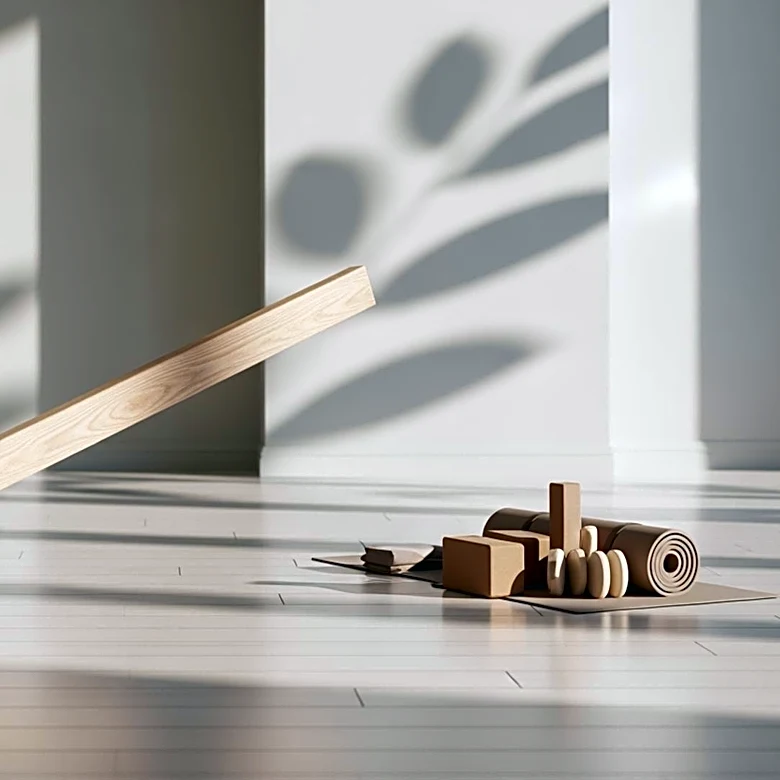
In the mid-20th century, yoga gained popularity in the West, and new styles emerged to cater to the growing interest. Teachers like B.K.S. Iyengar and Pattabhi Jois played pivotal roles in shaping modern yoga. Iyengar Yoga introduced the use of props to make postures accessible to all, while Ashtanga Yoga offered a dynamic and structured practice that appealed to those seeking physical challenge.
The Rise of Yoga as Exercise
The late 20th century saw the rise of yoga as a form of exercise, with styles like Bikram Yoga and Power Yoga gaining traction. Bikram Yoga, developed by Bikram Choudhury, is practiced in a heated room and follows a set sequence of 26 postures. This style emphasizes physical endurance and detoxification through sweating.
Power Yoga, influenced by Ashtanga, offers a more flexible approach, allowing instructors to create varied sequences that focus on strength and cardiovascular fitness. This adaptability has made Power Yoga popular in fitness centers and gyms, where it is often marketed as a workout rather than a spiritual practice.
Contemporary Innovations and Hybrids
In recent years, yoga has continued to evolve, with innovative styles and hybrids emerging to meet diverse interests. Yin Yoga, for example, offers a meditative practice that targets connective tissues through long-held postures. This style complements more active forms of yoga and appeals to those seeking relaxation and mindfulness.
Hybrid styles, such as Acroyoga and Paddleboard Yoga, combine yoga with other activities, creating unique experiences that challenge balance and coordination. These contemporary innovations reflect yoga's adaptability and its ability to resonate with modern lifestyles.
In summary, the evolution of modern yoga demonstrates its capacity to adapt and thrive in changing cultural landscapes. From its spiritual roots to its current status as a popular form of exercise, yoga continues to offer a diverse range of practices that cater to the needs and preferences of practitioners worldwide.