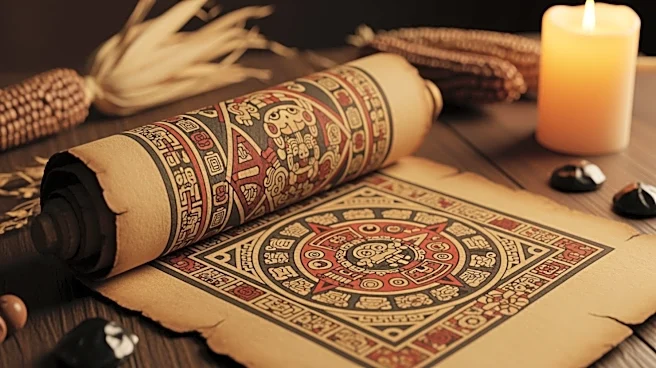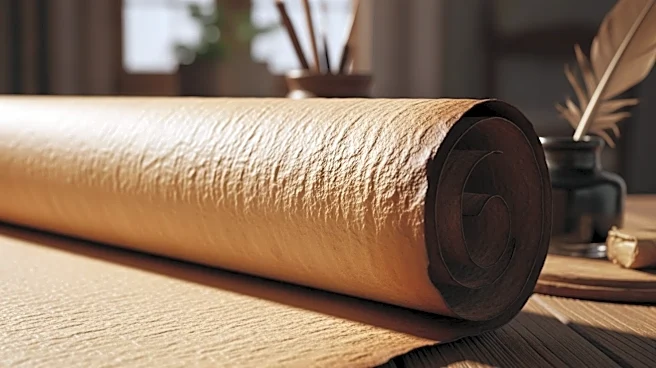









Parchment has played a significant role in the history of writing materials, evolving from its early uses to its continued relevance today. Made from animal skins, primarily sheep, calves, and goats, parchment has been a durable and versatile medium for recording information. This article delves into the historical journey of parchment, from its origins to its modern applications.
Early Beginnings and Development
Parchment's history dates back over two millennia, with its use as a writing
medium in West Asia and Europe. By 400 AD, many written works intended for preservation had been transferred from papyrus to parchment. This transition marked a significant shift in the materials used for documentation, as parchment offered a more durable alternative to papyrus.
The city of Pergamon, a thriving center of parchment production during the Hellenistic period, played a crucial role in the material's development. The term "parchment" itself is derived from Pergamon, highlighting the city's influence. Although a legend suggests that parchment was invented in Pergamon to replace papyrus, historical evidence indicates that parchment had been in use long before Pergamon's rise.
Parchment in the Middle Ages
Throughout the Middle Ages, parchment became the primary writing substrate in Europe. Its durability and ability to withstand the test of time made it an ideal choice for important documents and religious texts. The material's resilience against mechanical damage, such as tears and creasing, further solidified its status as a preferred medium.
During this period, parchment was not only used for writing but also for creating bookbindings and drumheads. The versatility of parchment allowed it to serve multiple purposes, contributing to its widespread use. Despite the introduction of paper in the later Middle Ages, parchment remained a luxury option for manuscripts, particularly those of significant cultural or religious importance.
Modern Uses and Conservation
Today, parchment continues to be used for specific purposes, particularly in religious and legal contexts. Traditional religious Jews, for example, use parchment for Torah scrolls, tefillin, and mezuzahs. This practice, rooted in Sinaitic origin, requires parchment made from the hides of kosher animals.
The conservation and restoration of parchment have become essential to preserving its historical and cultural significance. Professional conservators undertake preventive measures to protect parchment from deterioration, addressing issues such as mold, humidity, and temperature changes. These efforts ensure that parchment remains a valuable resource for future generations.
In conclusion, parchment's historical evolution reflects its enduring importance as a writing material. From its early beginnings to its continued use today, parchment has adapted to meet the needs of various cultures and contexts, maintaining its relevance in a rapidly changing world.