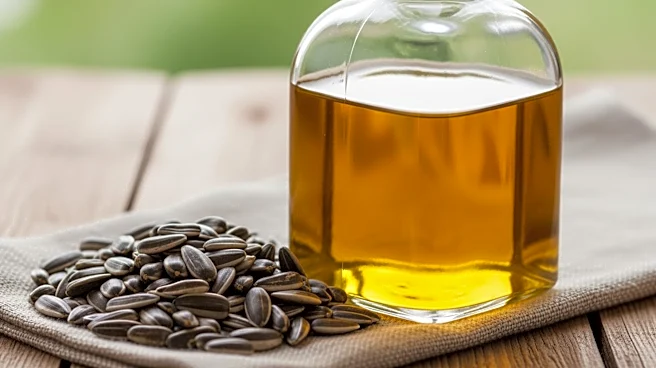








Sunflower oil, derived from the seeds of the sunflower plant, is a popular choice in cooking and cosmetics due to its rich nutritional profile. Known for its high content of polyunsaturated and monounsaturated fats, sunflower oil is also a significant source of vitamin E, making it a beneficial addition to a balanced diet. This article delves into the nutritional components of sunflower oil and its potential health benefits.
Rich in Healthy Fats
Sunflower oil is primarily
composed of linoleic acid, a polyunsaturated fat, and oleic acid, a monounsaturated fat. These fats are essential for maintaining heart health and supporting overall bodily functions. The oil's composition can vary depending on the breeding and manufacturing processes, resulting in different proportions of these fatty acids. High-linoleic sunflower oil contains approximately 65% polyunsaturated fats, while high-oleic varieties boast up to 82% monounsaturated fats.
The presence of these healthy fats in sunflower oil makes it a favorable option for those looking to reduce saturated fat intake. Polyunsaturated fats, in particular, are known to help lower cholesterol levels, thereby reducing the risk of heart disease. Monounsaturated fats also contribute to heart health by maintaining healthy cholesterol levels and providing essential fatty acids.
Vitamin E Content
One of the standout features of sunflower oil is its high vitamin E content. In a reference amount of 100 grams, sunflower oil provides 274% of the daily value for vitamin E. This vitamin is a powerful antioxidant that helps protect cells from damage caused by free radicals. It plays a crucial role in maintaining skin health, boosting the immune system, and supporting eye health.
Vitamin E's antioxidant properties make sunflower oil a popular ingredient in cosmetic formulations, where it is used as an emollient to moisturize and protect the skin. The oil's ability to combat oxidative stress also contributes to its potential benefits in preventing chronic diseases and promoting overall health.
Considerations for Use
While sunflower oil offers numerous health benefits, it is important to consider its susceptibility to degradation. The oil is primarily composed of less-stable polyunsaturated and monounsaturated fatty acids, which can be affected by heat, air, and light. To minimize rancidity and nutrient loss, it is recommended to store sunflower oil in dark-colored bottles and keep it at low temperatures.
Additionally, the refining process can impact the nutritional quality of sunflower oil. Refined sunflower oil is more stable for high-temperature cooking but may lose some of its nutrients and flavor. Unrefined sunflower oil retains more of its original nutrient content and is better suited for dishes cooked at lower temperatures.
Overall, sunflower oil is a versatile and nutritious option for cooking and skincare, offering a range of health benefits when used appropriately.