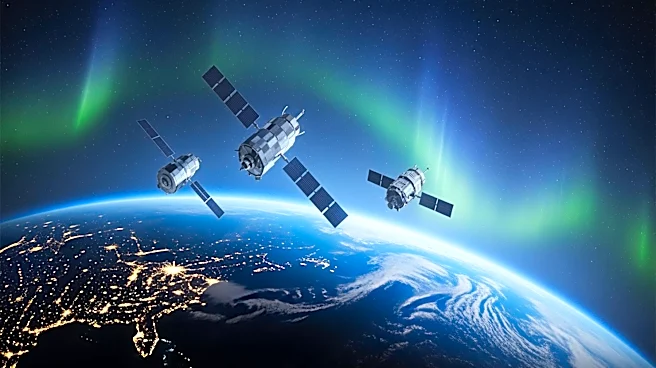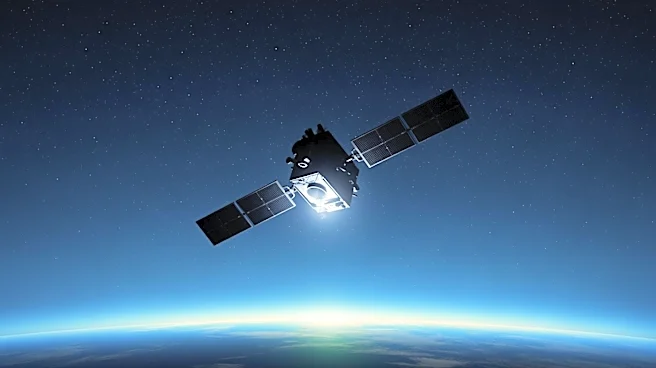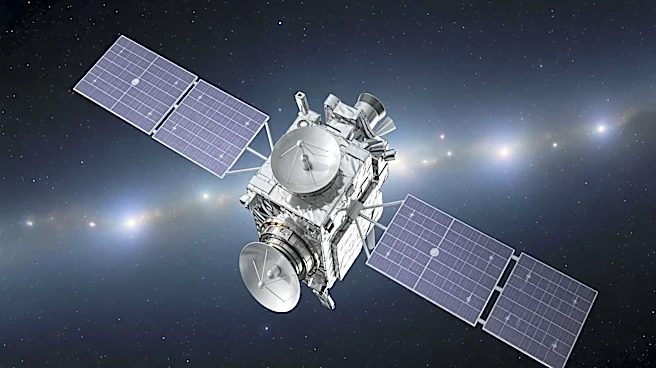

Telstar 2, launched in 1963, was not only a communications satellite but also a platform for scientific research. Its mission included experiments that significantly contributed to our understanding of
the space environment, particularly the Van Allen belts. These experiments were crucial for advancing space science and technology.
Studying the Van Allen Belts
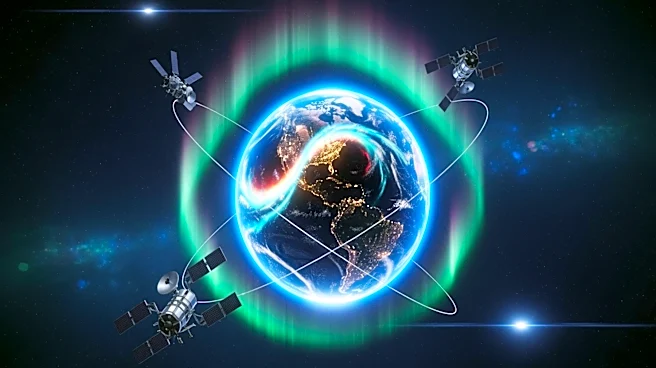
One of the key scientific objectives of Telstar 2 was to study the Van Allen belts, which are regions of charged particles trapped by Earth's magnetic field. The satellite carried instruments designed to measure the distribution of energetic protons and electrons within these belts. Understanding the behavior of these particles was essential for assessing the radiation hazards faced by satellites and astronauts.
The data collected by Telstar 2 helped scientists gain insights into the dynamics of the Van Allen belts, which are influenced by solar activity and other space weather phenomena. This information was vital for designing future satellites and planning manned space missions, as it provided a better understanding of the radiation environment in space.
Real-Time Data Transmission
Telstar 2 was equipped with advanced telemetry systems that allowed for real-time data transmission. This capability was a significant improvement over its predecessor, Telstar 1, and enabled continuous monitoring of the satellite's scientific instruments. The use of a PCM/FM/AM encoder facilitated the efficient transmission of data back to Earth, ensuring that researchers could analyze the information promptly.
The ability to transmit scientific data in real time was a major advancement in satellite technology. It allowed scientists to make timely observations and adjustments, enhancing the overall effectiveness of the mission. This feature set a precedent for future satellites, which increasingly relied on real-time data transmission for scientific research and operational purposes.
Legacy and Impact
The scientific contributions of Telstar 2 had a lasting impact on space research. The data it provided on the Van Allen belts informed the design of subsequent satellites and contributed to the development of radiation protection measures for space missions. The satellite's success demonstrated the potential of using space-based platforms for scientific exploration, paving the way for more sophisticated missions in the future.
Telstar 2's legacy continues to influence space science and technology. Its experiments and findings remain relevant, highlighting the importance of early satellite missions in expanding our knowledge of the space environment. As a pioneer in both communications and scientific research, Telstar 2 played a crucial role in shaping the trajectory of space exploration.