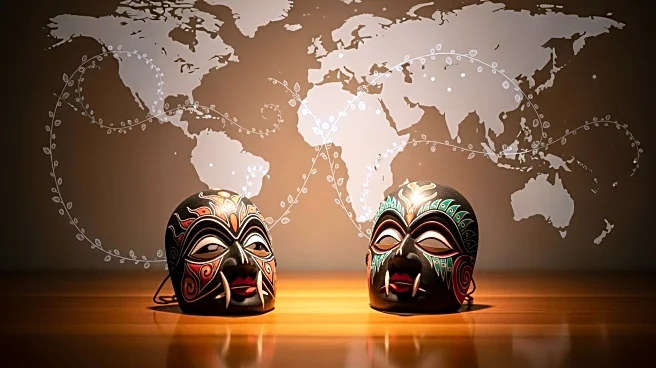

Tourism is not just an economic activity; it also plays a crucial role in facilitating cultural exchange and understanding. By bringing people from different backgrounds together, tourism fosters interactions
that can lead to greater appreciation and respect for diverse cultures. This article examines how tourism contributes to cultural exchange and the benefits it brings to both travelers and host communities.
Bridging Cultural Gaps
One of the primary ways tourism facilitates cultural exchange is by providing opportunities for people to experience different cultures firsthand. When travelers visit a new destination, they are exposed to the local customs, traditions, and way of life. This exposure can lead to a deeper understanding of the host culture and help bridge cultural gaps.
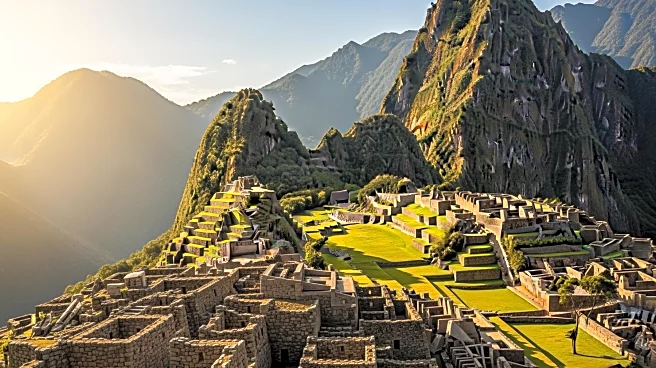
Tourists often participate in cultural activities, such as attending festivals, visiting historical sites, and engaging with local communities. These experiences allow travelers to gain insights into the cultural heritage of the places they visit, fostering a sense of connection and empathy. By interacting with locals, tourists can also challenge stereotypes and misconceptions, leading to more accurate and nuanced perceptions of different cultures.
Promoting Cultural Preservation
Tourism can also play a role in promoting cultural preservation. As travelers seek authentic experiences, there is an increased demand for cultural heritage sites and traditional practices. This demand can incentivize communities to preserve their cultural assets, ensuring that they are passed down to future generations.
In many cases, tourism revenue is used to support the maintenance and restoration of cultural sites, such as historical landmarks and museums. Additionally, tourism can provide economic opportunities for artisans and performers, helping to sustain traditional crafts and cultural expressions. By valuing and investing in cultural heritage, tourism can contribute to the preservation of cultural diversity.
Challenges and Considerations
While tourism has the potential to facilitate cultural exchange, it is not without challenges. The influx of tourists can sometimes lead to cultural commodification, where cultural practices are altered or simplified to cater to tourist expectations. This can result in a loss of authenticity and cultural integrity.
To mitigate these challenges, it is essential for tourism development to prioritize sustainable and responsible practices. This includes involving local communities in decision-making processes and ensuring that tourism activities respect and preserve cultural heritage. By adopting a community-centered approach, tourism can continue to serve as a positive force for cultural exchange and understanding.
In conclusion, tourism plays a vital role in fostering cultural exchange and understanding. By providing opportunities for people to experience and appreciate different cultures, tourism can promote empathy, respect, and cultural preservation. As the industry continues to grow, it is important to prioritize sustainable practices that ensure the benefits of cultural exchange are realized for both travelers and host communities.