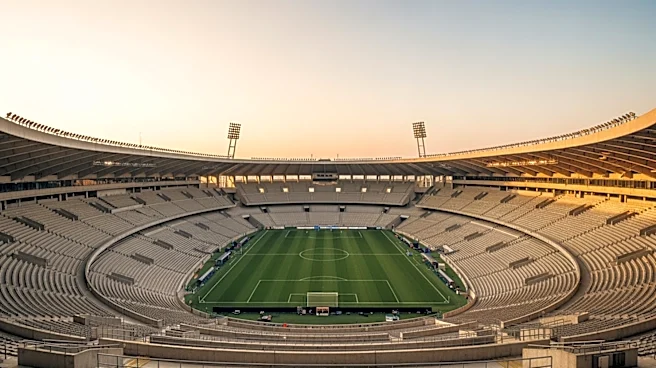




Estadio Azteca is not just a football stadium; it is a cultural and sporting icon in Mexico and beyond. Located in Mexico City, this stadium has hosted numerous significant events, both in sports and entertainment. This article explores the multifaceted role of Estadio Azteca in shaping cultural and sporting narratives.
A Hub for Major Sporting Events
While Estadio Azteca is primarily known for its football matches, it has also been a venue for other major sporting events. It was
the principal venue for the football tournament during the 1968 Summer Olympics, showcasing its versatility and capacity to host large-scale international events. The stadium's design and infrastructure have made it a preferred choice for various sports, contributing to its status as a premier sporting venue.
In addition to football, the stadium has hosted NFL games as part of the league's International Series. This inclusion highlights the stadium's ability to adapt to different sports and attract diverse audiences. The NFL's choice to hold games at Estadio Azteca underscores its global appeal and the growing popularity of American football in Mexico.
A Stage for Iconic Performances
Estadio Azteca has also been a stage for some of the most memorable performances in music history. Artists like Michael Jackson, U2, and Paul McCartney have performed at the stadium, drawing massive crowds and creating unforgettable experiences. These concerts have contributed to the stadium's reputation as a cultural landmark, where music and sports intersect.
The stadium's ability to host large-scale concerts is a testament to its design and acoustics, which accommodate thousands of fans. These events have not only entertained but also brought people together, reinforcing the stadium's role as a cultural hub in Mexico City.
A Symbol of National Pride
Beyond its role in sports and entertainment, Estadio Azteca is a symbol of national pride for Mexico. Its name pays homage to the Aztec heritage of the region, and its nickname, "Colossus of Santa Ursula," reflects its imposing structure and significance. The stadium's history and continued use in major events make it a point of pride for Mexicans.
As Estadio Azteca prepares to host matches in the 2026 FIFA World Cup, it continues to embody the spirit of Mexican culture and sportsmanship. The stadium's legacy is not just in the events it hosts but in the memories it creates for those who visit. Whether through football, music, or other events, Estadio Azteca remains a vital part of Mexico's cultural and sporting landscape.