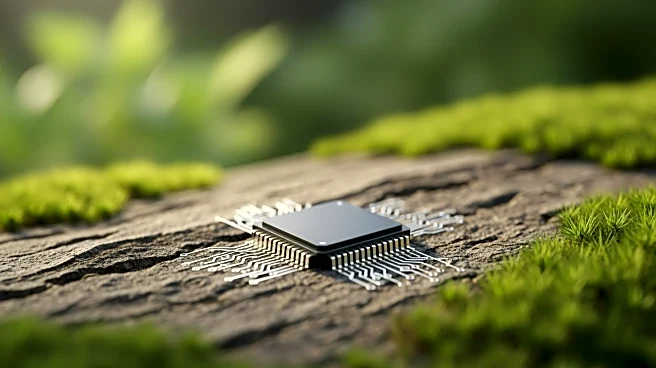




Microchip implants have become an invaluable tool in wildlife research, allowing scientists to track and study animal behavior with precision. These small devices, implanted under the skin, provide a reliable method for monitoring various species in their natural habitats. This article explores how microchip implants are used in wildlife research, their benefits, and the insights they provide into animal behavior.
Tracking Animal Movement and Behavior
Microchip implants enable researchers
to track the movement and behavior of individual animals with unprecedented accuracy. By implanting microchips in wildlife, scientists can monitor growth rates, movement patterns, and survival rates over time. This data is crucial for understanding the life cycles and ecological roles of different species.
For example, microchips have been used to study the migration patterns of fish, providing insights into their breeding and feeding habits. In mammals, microchips help track movement across large territories, revealing information about habitat use and social interactions. This level of detail is difficult to achieve with traditional tagging methods, making microchips a valuable tool for wildlife research.
Benefits of Microchip Implants in Research
One of the primary benefits of using microchip implants in wildlife research is their ability to provide long-term data on individual animals. Unlike external tags, which can be lost or damaged, microchips remain securely implanted under the skin, ensuring continuous data collection over the animal's lifetime.
Microchips also offer a non-invasive method for identifying and tracking animals. Once implanted, they do not interfere with the animal's natural behavior, allowing researchers to gather accurate data without affecting the study subjects. This non-intrusive approach is particularly important in conservation efforts, where minimizing human impact on wildlife is a priority.
Insights into Conservation and Ecology
The data collected from microchip implants provides valuable insights into conservation and ecology. By tracking individual animals, researchers can assess the health and stability of populations, identify critical habitats, and monitor the effects of environmental changes. This information is essential for developing effective conservation strategies and managing wildlife populations sustainably.
Microchips have also been used to study the impact of human activities on wildlife. For instance, researchers can track how animals respond to habitat fragmentation, pollution, and climate change, providing crucial data for mitigating these impacts. By understanding how wildlife interacts with their environment, scientists can make informed decisions to protect and preserve biodiversity.
In summary, microchip implants have revolutionized wildlife research, offering a reliable and non-invasive method for tracking and studying animal behavior. The insights gained from this technology are invaluable for conservation efforts and understanding the complex dynamics of ecosystems.