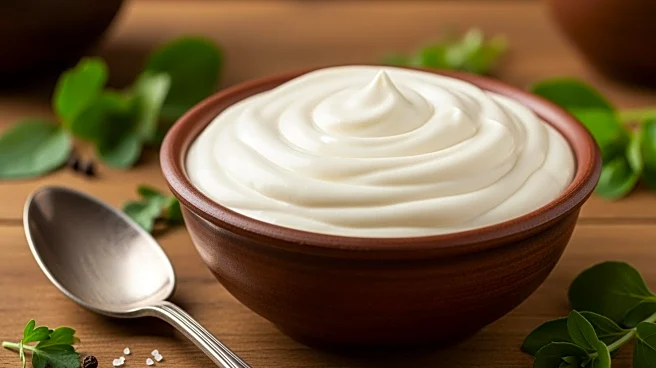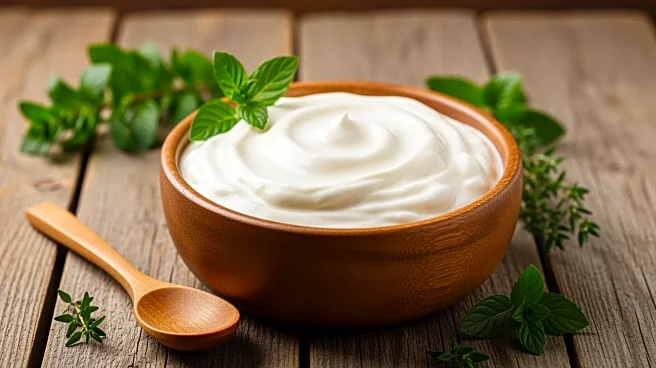




Qatiq is a cherished fermented milk product originating from the Turkic countries. Known for its thicker consistency compared to yogurt, Qatiq holds a special place in the culinary traditions of these regions. The process of making Qatiq is both an art and a science, involving the careful fermentation of boiled milk. This article delves into the traditional methods of making Qatiq and its cultural significance.
The Traditional Process of Making Qatiq
The creation of Qatiq begins with boiling
milk, a crucial step that ensures the milk is free from any unwanted bacteria. Once boiled, the milk is left to cool slightly before the fermentation process begins. This involves keeping the milk in a warm place for about 6 to 10 hours. During this time, natural bacteria work their magic, transforming the milk into a thick, creamy product.
Sometimes, to add a splash of color, red beets or cherries are introduced during the fermentation process. This not only enhances the visual appeal of Qatiq but also adds a subtle flavor twist. Once the fermentation is complete, Qatiq is ready to be consumed or stored. It can be kept in a cool place for two to three days, but if left longer, it will turn sour. Despite this, sour Qatiq can still be a valuable ingredient in high-fat soups.
Cultural Significance and Uses of Qatiq
Qatiq is more than just a food item; it is a cultural staple in many Turkic countries. Its thick consistency makes it a versatile ingredient in various dishes. In Uzbekistan, for instance, Qatiq is used to make chalop soup, a traditional dish that highlights the rich flavors of this fermented product.
Beyond soups, Qatiq can be strained to produce suzma, a thicker version that can be dried and rolled into marble-sized balls known as kurut. These are often used as snacks or added to dishes for an extra burst of flavor. The ability to transform Qatiq into different forms showcases its versatility and importance in the culinary traditions of the region.
Preserving Tradition in Modern Times
In today's fast-paced world, traditional methods of making Qatiq are being preserved by those who value cultural heritage. While modern conveniences offer quicker alternatives, the traditional process of making Qatiq remains a cherished practice. It connects people to their roots and provides a sense of continuity with the past.
As more people seek to explore and preserve traditional foods, Qatiq stands as a testament to the rich culinary history of the Turkic countries. Its enduring popularity is a reminder of the importance of maintaining cultural traditions in an ever-changing world.