







Mass tourism, characterized by large numbers of tourists visiting popular destinations, has significant environmental and social impacts. While it brings economic benefits, it also poses challenges to local communities and ecosystems. The development of transportation, such as automobiles and airplanes, has facilitated the growth of mass tourism, allowing more people to travel quickly to various destinations.
Environmental Consequences
The environmental impact of mass tourism
is profound, particularly in terms of resource consumption and pollution. Large tourist complexes consume vast amounts of electricity and water, often at the expense of local populations. In tropical regions, tourists use significantly more water than local residents, leading to resource depletion. This excessive consumption can result in environmental degradation, such as the sinking of land and beach erosion, as water is pumped from underground sources.
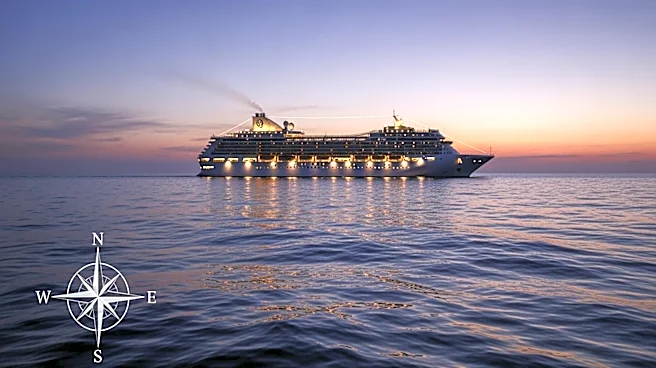
Transportation associated with mass tourism also contributes to environmental issues. The tourism sector accounts for a significant portion of air traffic, with thousands of flights and cruises contributing to carbon emissions and pollution. Cruise ships, in particular, are notorious for their environmental impact, producing large amounts of waste and contributing to marine pollution. The use of heavy fuel oil by these vessels further exacerbates their environmental footprint.
Social Impacts on Local Communities
Mass tourism affects local communities in various ways, often leading to social tensions and displacement. The influx of tourists can strain local infrastructure and resources, making it difficult for residents to maintain their quality of life. In some cases, tourism development leads to the displacement of local populations to make way for new hotels and resorts.
Social issues such as increased crime rates and the rise of exploitative practices, including sex tourism, are also associated with mass tourism. These problems can erode the social fabric of communities, leading to a loss of cultural identity and cohesion. Additionally, the presence of large numbers of tourists can create a sense of alienation among locals, who may feel marginalized in their own cities.
Addressing the Challenges
Efforts to mitigate the negative impacts of mass tourism include implementing regulations and policies to manage tourist numbers and protect local environments. Some destinations have introduced quotas and fees to limit access to popular sites, while others have enacted strict building regulations to control the development of tourist infrastructure.
Community engagement and sustainable tourism practices are essential in addressing the challenges posed by mass tourism. By involving local populations in tourism planning and decision-making, destinations can ensure that tourism development benefits both visitors and residents. Promoting responsible tourism practices, such as reducing waste and conserving resources, can help create a more sustainable and equitable tourism industry.