







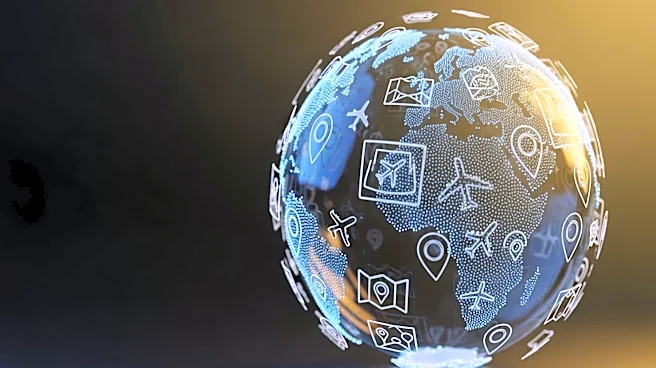
Wikipedia has grown from a single English-language edition to a multilingual platform with a global reach. This expansion has made it one of the most visited websites worldwide, providing access to knowledge in over 300 languages. This article explores Wikipedia's journey to becoming a global resource and its influence across different cultures and regions.
Multilingual Expansion
Wikipedia's journey began in 2001 with a single English-language edition. However, its founders
envisioned a platform that would provide free access to knowledge for everyone, regardless of language. This vision led to the creation of language editions, starting in March 2001. By the end of 2004, there were 161 language editions, and today, Wikipedia is available in over 300 languages.
The English Wikipedia remains the largest, with over 7 million articles, but other language editions have also grown significantly. For instance, the Cebuano and Swedish Wikipedias owe their size to the article-creating bot Lsjbot, which has contributed to their rapid expansion. This multilingual growth has allowed Wikipedia to reach diverse audiences, making it a truly global resource.
Cultural and Regional Influence
Wikipedia's global reach has had a profound impact on cultural and regional knowledge sharing. By providing content in multiple languages, it has enabled people from different backgrounds to access information in their native tongues. This accessibility has empowered individuals to learn about their own cultures and histories, as well as those of others.
The platform's influence extends beyond language, as it has also adapted to regional needs and preferences. For example, content forks like Ruviki and Qiuwen Baike cater to specific cultural and political contexts, demonstrating Wikipedia's adaptability. These variations highlight the platform's ability to accommodate diverse perspectives and foster cross-cultural understanding.
Challenges of Globalization
While Wikipedia's global expansion has been largely successful, it has not been without challenges. The platform has faced censorship in some countries, where governments have restricted access to certain pages or the entire site. These actions often stem from content that criticizes the government or is deemed blasphemous.
Additionally, Wikipedia has been criticized for systemic biases, such as a Western cultural bias. This bias reflects the demographics of its contributors, who are predominantly from developed countries. Efforts to address these issues are ongoing, with initiatives aimed at increasing diversity among contributors and ensuring a more balanced representation of global knowledge.
In conclusion, Wikipedia's expansion into multiple languages has solidified its status as a global resource. While challenges remain, the platform's influence on knowledge sharing and cultural understanding is undeniable. As Wikipedia continues to grow, it will play a crucial role in shaping the future of global information access.