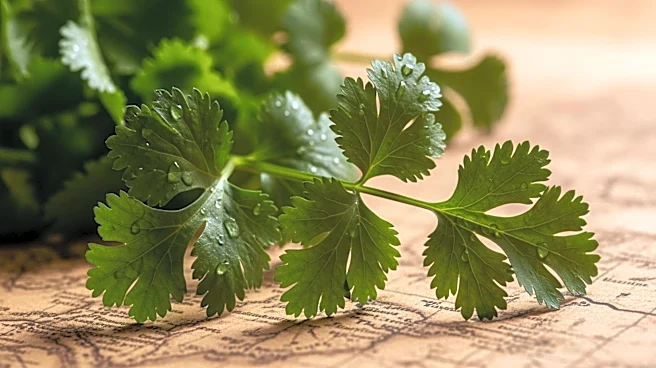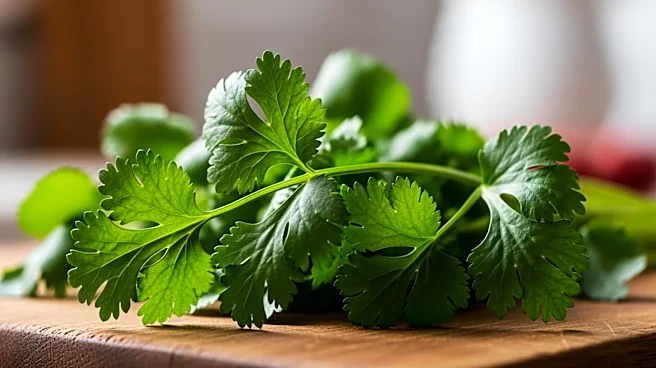



Cilantro, known as coriander leaves in many parts of the world, is a staple in numerous global cuisines. Its fresh, citrusy flavor is beloved by many, though some find it soapy due to genetic differences. This herb is particularly prominent in Mexican, Indian, and Southeast Asian dishes, where it is used both as a garnish and a key ingredient. Understanding cilantro's role in these culinary traditions highlights its versatility and widespread appeal.
Cilantro in Mexican Cuisine
In Mexican cooking, cilantro is a fundamental ingredient, often used to enhance the flavor of salsas, guacamole, and tacos. Its fresh leaves are typically added raw to dishes, as heat can diminish their flavor. This practice allows the herb's bright, citrusy notes to shine, complementing the rich, spicy flavors typical of Mexican cuisine. Cilantro's popularity in Mexican dishes has also influenced its common name in the United States, where it is more often referred to as cilantro rather than coriander.
Cilantro's use in Mexican cuisine is not limited to garnishes. It plays a crucial role in the preparation of traditional sauces and marinades, where it is blended with other ingredients to create complex flavor profiles. The herb's ability to balance and enhance other flavors makes it indispensable in Mexican culinary practices.
Cilantro in Indian and Southeast Asian Dishes
In Indian cuisine, cilantro is known as dhania and is used extensively in both fresh and cooked forms. It is a common ingredient in chutneys, where it is blended with spices and other herbs to create vibrant, flavorful condiments. In many Indian dishes, cilantro is added at the end of cooking to preserve its fresh taste and aroma, providing a final burst of flavor.
Southeast Asian cuisines also make extensive use of cilantro. In Thai and Vietnamese dishes, for example, cilantro is often used in soups, salads, and spring rolls. Its fresh leaves are a key component in many traditional recipes, adding a distinctive flavor that complements the region's bold, spicy dishes. The herb's versatility and ability to pair well with a variety of ingredients make it a favorite in these culinary traditions.
The Global Appeal of Cilantro
Cilantro's widespread use across different cuisines underscores its global appeal. While its flavor is polarizing, with some people genetically predisposed to perceive it as soapy, it remains a beloved ingredient for many. Its ability to enhance and balance flavors makes it a versatile addition to a wide range of dishes.
The herb's popularity is also reflected in its nutritional benefits. Cilantro leaves are rich in vitamins A, C, and K, making them a healthy addition to any meal. Whether used as a garnish or a key ingredient, cilantro continues to be a staple in kitchens around the world, celebrated for its unique flavor and culinary versatility.