





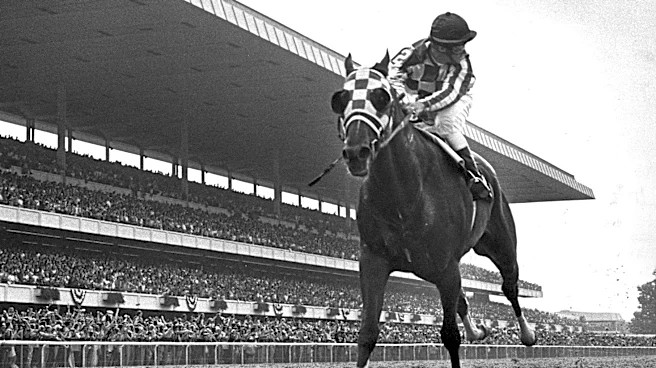
Ferdinand, the celebrated Thoroughbred racehorse, is remembered not only for his achievements on the track but also for the tragic circumstances surrounding his death. His untimely end in 2002 sparked outrage and led to significant changes in animal welfare practices within the horse racing industry. This article explores the events leading to Ferdinand's death and the subsequent initiatives aimed at protecting retired racehorses.
The Circumstances of Ferdinand's Death
After retiring from
racing in 1989, Ferdinand was sent to stud at Claiborne Farm in Kentucky. In 1994, he was sold to a breeding farm in Japan, where he stood for six seasons. However, as his popularity among breeders waned, Ferdinand's future became uncertain. In his final year at stud, he covered only ten mares, prompting his owners to seek alternative arrangements for him.
Despite efforts to place Ferdinand in a riding club, no suitable options were found. Consequently, he was left in the care of a horse dealer, Yoshikazu Watanabe. In 2002, reports emerged that Ferdinand had been sent to slaughter in Japan, likely becoming pet food or steaks for human consumption. This revelation shocked and outraged the horse racing community, as there had been no fanfare or notice given to his previous owners.
The Ferdinand Fee and Animal Welfare Initiatives
Ferdinand's tragic end served as a catalyst for change within the horse racing industry, prompting the establishment of several animal welfare initiatives. One such initiative is the Ferdinand Fee, a voluntary donation program introduced by the New York Owners and Breeders' Association in 2006. This program collects a small per-race charge from owners of New York-bred horses, with the funds directed to organizations that support racehorse rescue and retirement efforts.
In addition to the Ferdinand Fee, some horse owners have begun including buy-back clauses in their stallion contracts. These clauses allow owners to reclaim their horses if they are no longer wanted, ensuring their safety and well-being. Notable examples include Kentucky Derby winner Silver Charm and Dubai World Cup winner Roses in May, both of whom were returned to the United States from Japan under such agreements.
The Legacy of Ferdinand's Story
Ferdinand's story has had a lasting impact on the horse racing industry, raising awareness about the fate of retired racehorses and the importance of responsible ownership. His death highlighted the need for better aftercare programs and the establishment of safety nets for horses no longer in demand for breeding or racing.
The Indiana-based non-profit organization Friends of Ferdinand, Inc., founded in 2005, is another testament to Ferdinand's enduring legacy. Accredited by the Thoroughbred Aftercare Alliance, this organization purchases, retrains, and re-homes retired racehorses in the Midwest, ensuring they have a chance at a second career.
Ferdinand's tragic end serves as a poignant reminder of the responsibilities that come with horse ownership and the need for continued efforts to protect the welfare of these magnificent animals. His legacy continues to inspire positive change within the industry, ensuring that future generations of racehorses are treated with the care and respect they deserve.