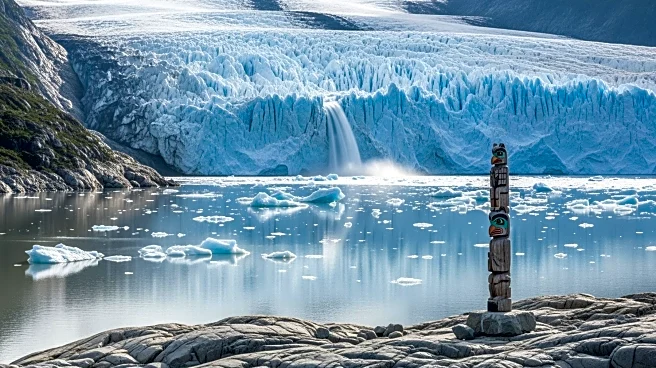


Glacier Bay National Park and Preserve is not only a natural marvel but also a site rich in cultural heritage. This article delves into the cultural significance of the park, focusing on the ancestral homelands of the Tlingit people and the collaborative efforts to preserve their heritage.
Tlingit Ancestral Homelands
The park and preserve encompass two Tlingit ancestral homelands, which are of profound cultural and spiritual importance to the Tlingit communities. These lands have
been integral to the Tlingit way of life for generations, serving as sites for traditional practices and spiritual ceremonies.
The Tlingit people have a deep connection to the land, viewing it as a living entity that sustains their cultural identity. The Alsek River, which runs through the preserve, is a vital route for discovery and migration, linking the coastal mountain range to the Pacific Ocean. This river and its surrounding areas are central to Tlingit cultural narratives and traditions.
Collaborative Management Efforts
In 1994, the National Park Service undertook an obligation to work with Hoonah and Tlingit Native American organizations in managing the protected area. This collaboration aims to honor and preserve the cultural heritage of the Tlingit people while ensuring the conservation of the park's natural resources.
The partnership involves respecting traditional practices and allowing access to the park for cultural activities. The Tlingit communities are permitted to harvest berries, seafood, and traditional use items, such as spruce roots and mountain goat hair, which are essential for weaving traditional blankets.
Cultural and Environmental Interactions
The cultural significance of Glacier Bay is intertwined with its environmental features. The park's diverse ecosystems provide a backdrop for traditional Tlingit practices, such as fishing and hunting, which are integral to their cultural heritage. The preservation of these ecosystems is crucial for maintaining the cultural identity of the Tlingit people.
The park's management strategies aim to balance cultural preservation with environmental conservation, ensuring that both aspects are respected and protected. This approach highlights the importance of integrating cultural heritage into conservation efforts, recognizing the value of indigenous knowledge in managing natural resources.
Glacier Bay National Park and Preserve stands as a symbol of cultural resilience and environmental stewardship, showcasing the harmonious relationship between the Tlingit people and their ancestral lands.