

The Nixon Doctrine, announced in 1969, marked a significant shift in U.S. foreign policy during the presidency of Richard Nixon. This doctrine emphasized the need for U.S. allies to take primary responsibility for their own military defense, while the United States would provide support as needed. This approach aimed to reduce direct U.S. military involvement abroad, particularly in Asia, and was a response to the changing geopolitical landscape of the time.
Origins and Principles of the Nixon Doctrine
The Nixon Doctrine was first articulated by President Nixon during a press conference in Guam on July 25, 1969. It was later formalized in his speech on Vietnamization on November 3, 1969. The doctrine was a response to the growing sentiment in the United States against the Vietnam War, which had claimed the lives of over 30,000 Americans by that time. Public opinion had shifted towards ending the war, and Nixon's campaign promise of "Peace with Honor" reflected this desire.
The core principle of the Nixon Doctrine was that the United States would honor its treaty commitments and provide a nuclear umbrella to its allies if necessary. However, in cases of non-nuclear aggression, the doctrine stipulated that the nation directly threatened should assume the primary responsibility for its defense. This approach was intended to encourage allies to take a more active role in their own security, reducing the burden on U.S. military forces.
Application in Asia
The Nixon Doctrine was most notably applied in Asia, where it influenced U.S. policy towards several countries. In Vietnam, the doctrine was exemplified by the process of Vietnamization, which aimed to transfer combat roles from U.S. troops to South Vietnamese forces. This shift was part of a broader strategy to gradually withdraw American troops from Vietnam while still supporting the South Vietnamese government.
Beyond Vietnam, the doctrine also impacted U.S. relations with other Asian countries, including Iran, Taiwan, Cambodia, and South Korea. In Iran, the Shah embraced the doctrine's message of self-reliance and sought to strengthen his country's military capabilities with U.S. support. Similarly, the doctrine encouraged South Korea to take greater responsibility for its defense, leading to the withdrawal of some U.S. troops from the Korean Peninsula.
Long-term Implications
The Nixon Doctrine had significant long-term implications for U.S. foreign policy. It represented a move away from the practice of deploying large numbers of U.S. troops abroad, as seen in Vietnam, and towards a strategy of supporting allies in their own defense efforts. This approach aimed to reduce tensions with major powers like the Soviet Union and China, facilitating the policy of détente.
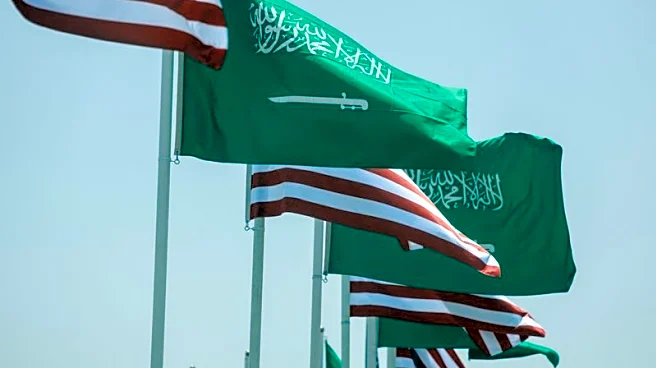
In the Persian Gulf, the doctrine led to increased U.S. military aid to allies like Iran and Saudi Arabia, setting the stage for future U.S. involvement in the region. The doctrine's emphasis on self-reliance and partnership with allies continues to influence U.S. foreign policy today, shaping how the United States engages with the world.