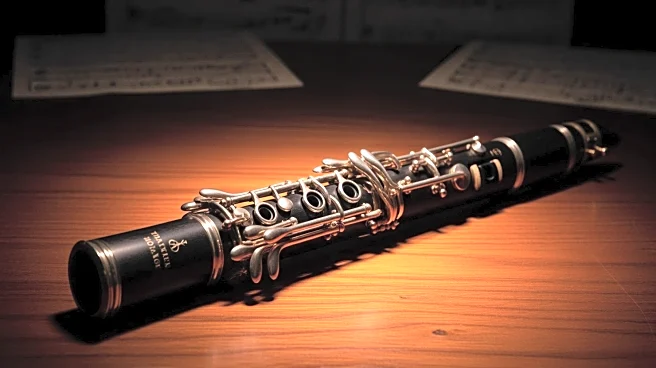



Igor Stravinsky's Ebony Concerto is a fascinating piece of music that bridges the worlds of classical and jazz. Commissioned by jazz musician Woody Herman, the concerto was completed on December 1, 1945, and premiered on March 25, 1946, at Carnegie Hall in New York City. This article delves into the circumstances surrounding its creation and the challenges faced during its premiere.
Commission and Composition
The Ebony Concerto was commissioned by Woody Herman, a prominent jazz
musician, who requested Stravinsky to compose a piece for solo clarinetist and jazz ensemble. Stravinsky's engagement with jazz was not new; he had previously incorporated jazz elements into his works during the closing years of World War I. However, the Ebony Concerto marked a significant return to jazz influences on a grand scale. The title, suggested by Aaron Goldmark of Leeds Music Corporation, was intended to evoke African culture, reflecting Stravinsky's admiration for jazz performers like Art Tatum and Charlie Parker.
Stravinsky was initially impressed by recordings of Herman's band, which led to the commission. Despite some embellishments in the story of how the commission came about, Stravinsky accepted the challenge and decided to create a jazz-based version of a concerto grosso, with a blues as the slow movement. The score was delivered to Herman in parts, with the first two movements arriving in November 1945 and the finale in December.
Premiere Challenges
The premiere of the Ebony Concerto was not without its difficulties. Woody Herman found the solo part dauntingly complex, feeling that Stravinsky had not fully adapted his writing to the jazz-band idiom. The band struggled with the score during initial rehearsals, leading to a sense of embarrassment among the musicians. Stravinsky himself rehearsed the band backstage at New York's Paramount Theatre, where they were performing at the time.
Despite these challenges, the premiere went ahead with Walter Hendl, assistant conductor of the New York Philharmonic, conducting the performance. Stravinsky's presence and encouragement helped the band overcome their initial discomfort, and the concerto was successfully introduced to the public.
Legacy and Impact
The Ebony Concerto remains a unique piece in Stravinsky's repertoire, showcasing his ability to blend classical and jazz elements. Its creation and premiere highlight the collaborative spirit between Stravinsky and Herman, as well as the challenges of merging different musical traditions. The concerto's influence extends beyond its initial performance, serving as a testament to Stravinsky's innovative approach to composition and his willingness to explore new musical landscapes.
The Ebony Concerto's premiere at Carnegie Hall marked a significant moment in the history of music, demonstrating the potential for cross-genre collaboration and the enduring appeal of jazz-inspired compositions.