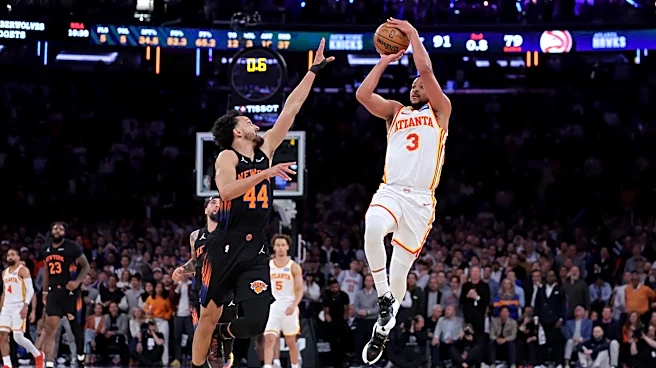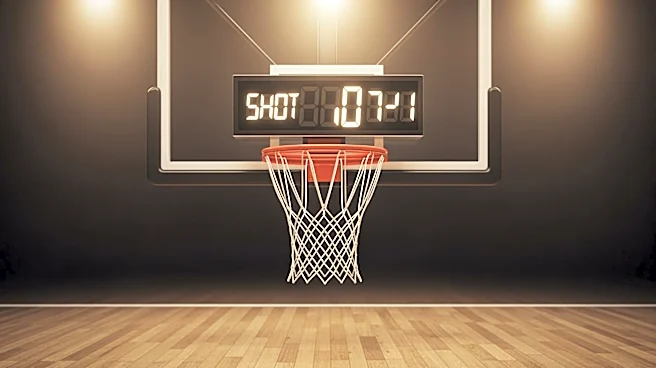





The shot clock is a fundamental component of modern basketball, ensuring a fast-paced and engaging game. Its introduction and evolution have significantly shaped the way basketball is played today. This article delves into the history of the shot clock, highlighting its inception in the NBA and its adoption by other leagues worldwide.
The Birth of the Shot Clock
The shot clock was introduced in the NBA in 1954, a pivotal moment in basketball history. Before its implementation,
teams often employed stalling tactics, leading to low-scoring and uneventful games. The most notorious example occurred in 1950 when the Fort Wayne Pistons defeated the Minneapolis Lakers with a score of 19-18. This game, among others, highlighted the need for a mechanism to prevent stalling and maintain the game's excitement.
Danny Biasone, the owner of the Syracuse Nationals, played a crucial role in the shot clock's creation. He proposed a 24-second limit, calculated by dividing the total number of seconds in a game by the average number of shots taken. This innovation was quickly adopted by the NBA, transforming the league and increasing its popularity.
Adoption by Other Leagues
Following the NBA's success with the shot clock, other basketball leagues began to adopt similar rules. FIBA, the international governing body for basketball, introduced a 30-second shot clock in 1956. However, it wasn't until 2000 that FIBA aligned with the NBA's 24-second standard, further standardizing the game globally.
The Women's National Basketball Association (WNBA) initially used a 30-second shot clock but switched to 24 seconds in 2006. This change was part of a broader effort to align women's basketball more closely with the men's game, enhancing its competitiveness and appeal.
Impact on Collegiate and High School Basketball
In collegiate basketball, the shot clock has undergone several changes. Initially set at 45 seconds in 1985, it was reduced to 35 seconds in 1993 and further to 30 seconds in 2015. These adjustments aimed to increase the pace of the game and make it more exciting for fans.
High school basketball in the United States has been slower to adopt the shot clock, with its use varying by state. As of 2021, only a handful of states require a shot clock, reflecting ongoing debates about its necessity and cost. Nonetheless, the shot clock's influence on basketball at all levels is undeniable, ensuring a dynamic and engaging sport.
The shot clock's evolution reflects basketball's ongoing efforts to balance strategy and entertainment. By preventing stalling and encouraging active play, the shot clock has become an integral part of the game, shaping its development and popularity worldwide.