



German chocolate cake, a beloved dessert in the United States, has a rich history that dates back to the mid-20th century. Despite its name, this cake is not of German origin but rather named after Samuel German, an English-American chocolate maker. This article delves into the fascinating journey of German chocolate cake, from its creation to its rise in popularity.
The Birth of a Classic
The story of German chocolate cake begins with Samuel German, who developed a formulation
of dark baking chocolate for the Baker's Chocolate Company in the 19th century. This chocolate, known as "German's Sweet Chocolate," was sweeter than the typical baking chocolate of the time. However, it wasn't until the 1950s that the cake we know today came into existence.
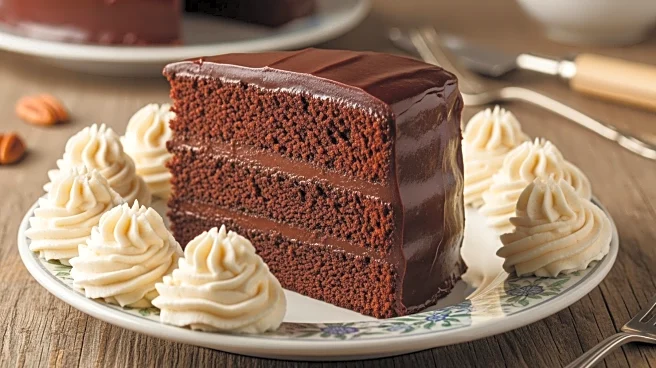
The earliest known recipe for German chocolate cake appeared in 1956 in a Dallas newspaper, The Irving News Record. Submitted by Daisy Pearce, the recipe was called "Summer German Chocolate Cake" and used German's Sweet Chocolate. The cake's unique flavor profile, characterized by its coconut-pecan frosting, quickly captured the hearts of dessert lovers.
A Recipe Goes National
In 1957, the cake gained further attention when a recipe for "German's Chocolate Cake" was featured as the "Recipe of the Day" in The Dallas Morning News. This version was created by Lucy Clay, a homemaker from Dallas, Texas. The recipe's popularity soared, prompting General Foods, the owner of the Baker's brand, to distribute it to newspapers across the country.
The widespread publication of the recipe led to a significant increase in sales of Baker's Chocolate, reportedly by as much as 73%. As the cake became a national sensation, the possessive form "German's" was dropped, leading to the name "German Chocolate Cake." This change inadvertently gave the impression that the cake had German origins, which was not the case.
Variations and Legacy
Over the years, German chocolate cake has inspired various adaptations and remains a staple in American dessert culture. In Hawaii, a popular variation known as Chantilly cake emerged. This version omits the coconut and nuts in the frosting, sometimes replacing them with macadamia nuts, yet retains the essence of the original cake.
Despite its evolution, the core elements of German chocolate cake—rich chocolate layers and a distinctive coconut-pecan frosting—continue to delight dessert enthusiasts. Its journey from a local recipe to a national favorite highlights the power of culinary innovation and the enduring appeal of a well-crafted dessert.
In conclusion, German chocolate cake's history is a testament to the creativity and adaptability of American baking traditions. From its humble beginnings in Texas to its status as a beloved classic, this cake remains a delicious reminder of the sweet possibilities that arise when tradition meets innovation.