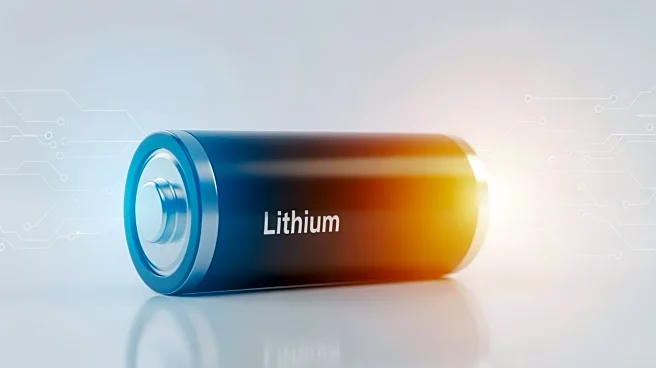




Lithium-ion batteries have become a cornerstone of modern technology, powering everything from smartphones to electric vehicles. Their performance has seen significant improvements since their introduction, making them more efficient and cost-effective. This article delves into the evolution of lithium-ion battery performance, highlighting key advancements and their impact on technology.
Early Developments
The journey of lithium-ion batteries began in 1991 when they
were first commercialized. At that time, the energy capacity per price was relatively low, with batteries offering only 0.3 watt-hours per dollar. However, the potential for improvement was evident, and researchers quickly began working on enhancing their performance.
By 2005, significant progress had been made, with the energy capacity per price increasing more than ten-fold to over 3 watt-hours per dollar. This improvement was largely due to advancements in battery chemistry and manufacturing processes, which allowed for higher energy densities and reduced costs.
Recent Advancements
Between 2011 and 2017, the performance of lithium-ion batteries continued to improve at an average rate of 7.5% annually. This period saw a focus on increasing energy density, which more than tripled from the early days of lithium-ion technology. Efforts to enhance energy density were crucial in reducing costs, as higher energy densities meant more power could be packed into smaller, cheaper batteries.
One notable advancement was the partial replacement of graphite with silicon in the battery's chemistry. Silicon anodes, enhanced with graphene nanotubes, helped eliminate premature degradation, allowing for record-breaking energy densities of up to 350 watt-hours per kilogram. These improvements have made lithium-ion batteries more competitive with internal combustion engines, particularly in the electric vehicle market.
Future Directions
Looking ahead, the focus remains on further increasing energy density and reducing costs. Dry electrode technology, which leverages the interaction between PTFE fiber networks and biomass additives, shows promise for scalable, sustainable battery manufacturing. This technology offers reduced bending, accelerated lithium-ion transport, and enhanced rate performance in high-voltage cathodes.
Challenges remain, particularly in industrialization and mass production. High-thickness electrodes may exhibit localized density variations, affecting cycle life and performance. However, ongoing research into low-cost or biodegradable binder alternatives and advanced characterization methods is expected to drive widespread adoption of these technologies.
The evolution of lithium-ion battery performance has been marked by significant advancements, making them a vital component of modern technology. As research continues, we can expect even greater improvements in efficiency, cost, and sustainability.