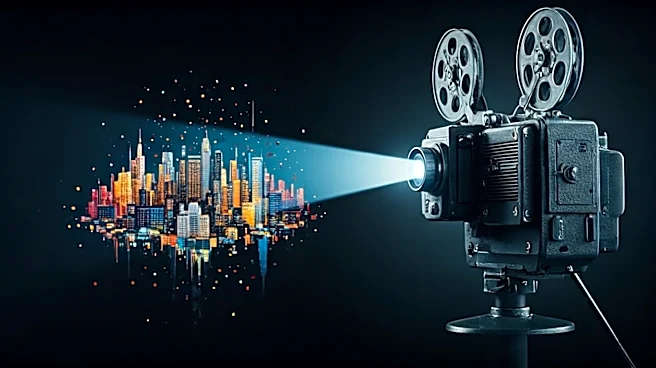







Urban fantasy is a captivating subgenre of fantasy that places supernatural elements within a modern urban setting. This genre has evolved significantly over time, drawing from various influences and adapting to cultural shifts. From its early roots in the 19th century to its current popularity, urban fantasy has undergone a fascinating transformation. This article explores the historical development of urban fantasy, highlighting key milestones and influential
works that have shaped the genre.
Early Influences and Precursors
The origins of urban fantasy can be traced back to the late Romantic era, where writers like Mary Shelley and Edgar Allan Poe began incorporating supernatural elements into their works. These early stories often explored social anxieties related to industrialization and urbanization. Authors like Charles Dickens and Bram Stoker also contributed to the genre's development by weaving supernatural themes into their narratives.
During the 19th century, popular fiction began to feature supernatural elements more prominently. This period saw the rise of sensational fiction, which often included ghost stories and tales of the macabre. These works laid the groundwork for the urban fantasy genre by blending the supernatural with contemporary settings. The success of these stories in magazines and periodicals helped establish a readership for fantasy fiction.
The Rise of Urban Fantasy in the 20th Century
The 20th century marked a significant turning point for urban fantasy. The genre gained popularity in the 1930s and 1950s, thanks in part to the success of supernatural films and television shows. Authors like Stephen King and Anne Rice played a crucial role in popularizing urban fantasy during this time. King's works, such as "Carrie" and "'Salem's Lot," introduced supernatural elements into everyday settings, captivating readers with their blend of horror and fantasy.
Anne Rice's "Interview with the Vampire," published in 1976, further propelled the genre into the mainstream. Her novel combined elements of horror, romance, and historical fiction, creating a new audience for fantasy characters in real-world settings. The success of these authors encouraged publishers to explore urban fantasy as a viable genre, leading to a surge in its popularity during the 1980s.
Contemporary Urban Fantasy and Its Impact
In the late 20th and early 21st centuries, urban fantasy continued to evolve, with authors like Laurell K. Hamilton and Kim Harrison making significant contributions. Hamilton's "Anita Blake" series and Harrison's "Rachel Morgan" novels became influential works within the genre, featuring strong female protagonists and complex supernatural worlds.
The genre's appeal lies in its ability to blend the familiar with the fantastical, creating a sense of wonder and excitement. Urban fantasy often explores themes of coexistence and conflict between humans and supernatural beings, reflecting societal changes and cultural shifts. The genre's flexibility allows authors to incorporate elements of romance, mystery, and adventure, appealing to a wide range of readers.
Urban fantasy has also made its mark in other media, including film, television, and video games. Shows like "Buffy the Vampire Slayer" and "Supernatural" have brought urban fantasy to a broader audience, while video games like "Final Fantasy VII" and "The World Ends with You" have incorporated urban fantasy elements into their narratives.
The Future of Urban Fantasy
As urban fantasy continues to evolve, it remains a dynamic and influential genre. Its ability to adapt to changing cultural landscapes and incorporate diverse themes ensures its continued relevance. The genre's popularity shows no signs of waning, with new authors and works emerging regularly.
Urban fantasy's impact extends beyond literature, influencing other genres and media. Its themes of magic, mystery, and adventure resonate with audiences worldwide, making it a staple of contemporary storytelling. As the genre continues to grow, it will undoubtedly inspire future generations of writers and creators.
In conclusion, urban fantasy has come a long way since its early beginnings. From its roots in 19th-century sensational fiction to its current status as a beloved genre, urban fantasy has captivated readers with its unique blend of the supernatural and the everyday. As it continues to evolve, urban fantasy will undoubtedly remain a vital and exciting part of the literary landscape.