




Bhujangasana, commonly known as the Cobra Pose, is a significant asana in yoga that has evolved over centuries. This back-bending posture is not only a staple in modern yoga practices but also has deep historical roots. Understanding its origins and development provides insight into its enduring presence in yoga routines today.
Historical Roots
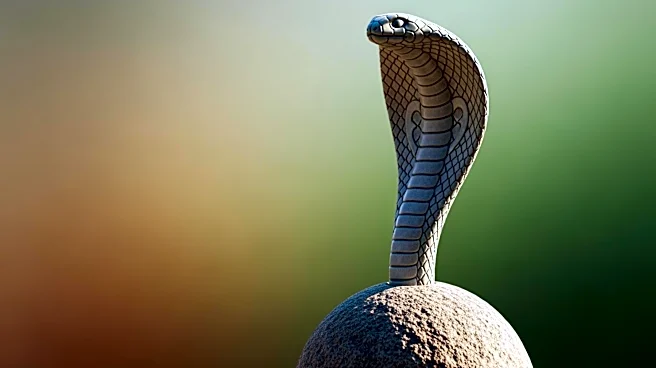
The name Bhujangasana is derived from the Sanskrit words 'bhujaṅga,' meaning snake or cobra, and 'āsana,' meaning posture.
This name reflects the pose's resemblance to a cobra with its hood raised. The pose is described in ancient yoga texts, such as the 17th-century Gheranda Samhita, where it is referred to as Sarpasana, or Serpent Pose. This historical context highlights the pose's long-standing significance in yoga traditions.
In the 19th century, the Sritattvanidhi, another important text, also mentions this pose, further cementing its place in the yoga canon. The consistent mention of Bhujangasana in these texts underscores its importance and the continuity of its practice through the ages.
Integration into Modern Yoga
Bhujangasana has seamlessly integrated into modern yoga practices, particularly in the sequence of asanas known as Surya Namaskar, or the Salute to the Sun. This sequence is a popular routine in many yoga classes, and Bhujangasana serves as an alternative to Urdhva Mukha Svanasana, or Upward Dog Pose. Its inclusion in such a fundamental sequence highlights its versatility and adaptability.
The pose's integration into modern yoga is not just about its physical benefits but also its symbolic representation of strength and flexibility. As yoga evolved into a global practice, Bhujangasana's role expanded, becoming a symbol of the balance between tradition and modernity in yoga.
Variations and Adaptations
Over time, Bhujangasana has seen various adaptations to accommodate different skill levels and needs. For beginners, the Sphinx Pose, or Salamba Bhujangasana, offers a gentler backbend by keeping the forearms on the ground. This variation reduces the intensity of the backbend, making it more accessible.
For more advanced practitioners, Bhujangasana can be modified by incorporating elements like the Lotus position, adding complexity and challenge. Additionally, adaptations for specific conditions, such as pregnancy, involve using props like a towel under the pelvis to ensure comfort and safety.
These variations demonstrate the pose's adaptability and its ability to meet the diverse needs of practitioners, ensuring its continued relevance in yoga practice.