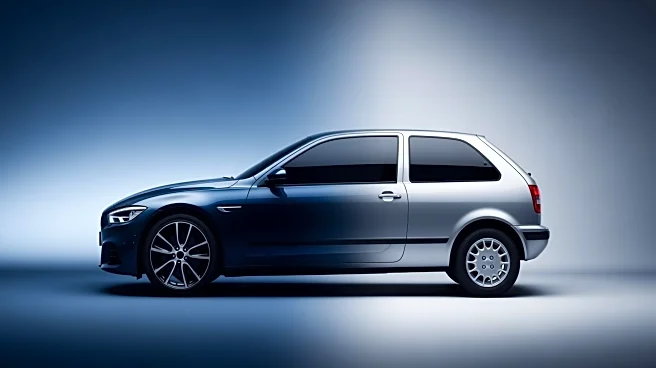

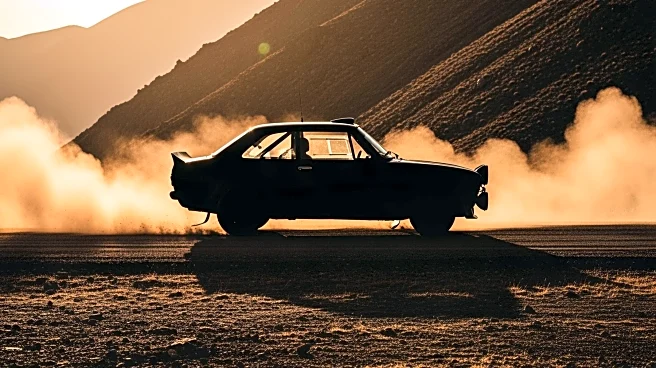
The Toyota Celica, a name synonymous with sporty performance and sleek design, has a storied history that spans several decades. Introduced in 1970, the Celica quickly became a favorite among car enthusiasts for its innovative features and stylish appearance. Over the years, the Celica underwent numerous transformations, each generation bringing new advancements and design changes that kept it relevant in the ever-evolving automotive market.
The Early Years: 1970s Beginnings
The Toyota
Celica made its debut in 1970, designed to appeal to drivers seeking more than just a means of transportation. Initially available as a two-door coupe, the Celica was Toyota's answer to the popular Ford Mustang, offering a sporty alternative with a Japanese twist. The original model was equipped with a 1.6-liter four-cylinder engine, setting the stage for its reputation as a performance-oriented vehicle.
In 1974, the Celica lineup expanded with the introduction of the GT model, which featured a more powerful two-liter engine. This addition marked the beginning of Toyota's commitment to enhancing the Celica's performance capabilities. The 1970s also saw the introduction of the Liftback model, which offered a sportier, more aerodynamic design, further solidifying the Celica's place in the sports car segment.
Advancements in the 1980s
The 1980s brought significant changes to the Celica, both in terms of design and engineering. In 1986, Toyota made a pivotal decision to switch the Celica's drivetrain from rear-wheel drive to front-wheel drive, a move that improved handling and fuel efficiency. This change was part of a broader redesign that included a more modern, aerodynamic body style.
During this decade, the Celica also saw the introduction of the high-performance GT-Four variant, known for its all-wheel-drive system and turbocharged engine. This model was developed to compete in the World Rally Championship, showcasing Toyota's commitment to motorsport and performance engineering.
The Final Generations and Legacy
The 1990s and early 2000s continued to see the Celica evolve, with each new generation incorporating the latest in automotive technology and design trends. The fifth generation, introduced in 1990, featured a more powerful engine lineup and advanced safety features, while the sixth generation, launched in 1994, offered a sleeker, more refined appearance.
Despite its popularity, the Celica was eventually discontinued in 2006, as Toyota shifted its focus to other models. However, the Celica's legacy lives on, remembered as a pioneering sports car that combined performance, style, and innovation. Its influence can still be seen in Toyota's current lineup, inspiring a new generation of vehicles that continue to push the boundaries of automotive design and engineering.