





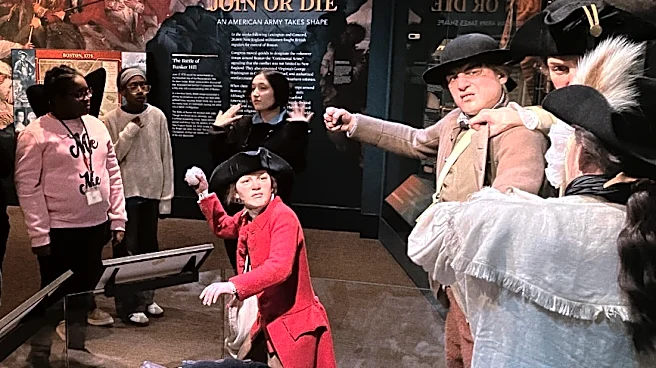

The Second Militia Act of 1792 was a pivotal piece of legislation in the early years of the United States, aimed at organizing state militias and establishing a framework for national defense. Passed on May 8, 1792, this act required the conscription of every "free able-bodied white male citizen" between the ages of 18 and 45. It was a response to the need for a more structured and reliable military force following the challenges faced by the young
nation.
Establishing a Framework for State Militias
The Second Militia Act of 1792 laid the groundwork for organizing state militias across the United States. It mandated that all eligible men be enrolled in the militia by the captain or commanding officer of their local company. This enrollment was not just a formality; it required militia members to equip themselves with specific military gear. Each member was expected to have a musket, bayonet, and belt, along with two spare flints, a cartridge box, and a knapsack. Alternatively, they could provide themselves with a rifle, powder horn, gunpowder, rifle balls, a shot-pouch, and a knapsack.
The act also allowed for certain exemptions, recognizing that not all citizens could serve. Occupations such as members of Congress, stagecoach drivers, and ferryboatmen were exempt from militia duty. This structure ensured that while the militia was comprehensive, it was also practical, allowing essential services to continue uninterrupted.
Presidential Authority and Militia Deployment
One of the significant aspects of the Second Militia Act was the authority it granted to the President of the United States. The act empowered the president to call out the militia in cases of insurrection or invasion. This provision was crucial for maintaining law and order and protecting the nation from external threats. However, the president's authority was not absolute; it was conditional upon issuing a proclamation ordering insurgents to disperse and retire peaceably within a limited time.
The act's provisions were put to the test during the Whiskey Rebellion in 1794, when President George Washington called out the militia to suppress the uprising in Western Pennsylvania. This marked the first time the federal government used the militia to enforce national laws, setting a precedent for future actions.
Legacy and Subsequent Amendments
The Second Militia Act of 1792 was initially set to expire after two years, but its impact was long-lasting. In 1795, Congress re-enacted the provisions of the 1792 act, making the president's authority to call out the militias permanent. This move underscored the importance of a well-regulated militia in the nation's defense strategy.
Over time, the act was amended to reflect changing societal norms and military needs. The Militia Act of 1862, for example, allowed African-Americans to serve in the militias, expanding the pool of eligible citizens. Eventually, the Militia Act of 1903 established the United States National Guard, transforming the concept of the militia into a more organized and federally integrated force.
The Second Militia Act of 1792 was a foundational step in shaping the United States' approach to national defense, balancing state and federal powers while adapting to the evolving needs of the nation.