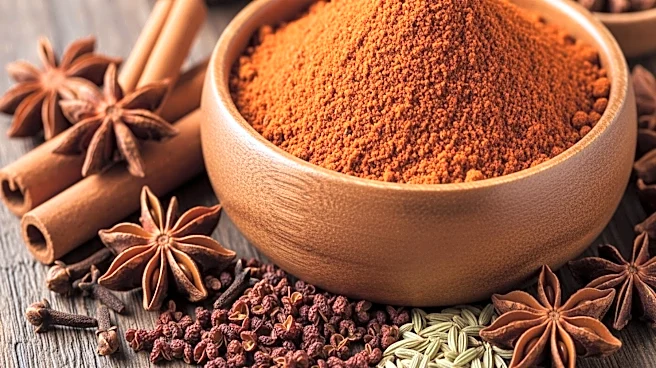






Five-spice powder is more than just a seasoning; it is a symbol of the rich culinary traditions of Asia. This spice blend, with its unique combination of flavors, has been a staple in Asian kitchens for centuries. Its cultural significance extends beyond its use in cooking, reflecting the values and traditions of the regions where it is most commonly used.
Historical Roots and Culinary Traditions
The origins of five-spice powder can be traced back to ancient China, where it was developed
as a way to balance the five fundamental flavors: sweet, sour, bitter, salty, and umami. This balance is a key principle in Chinese cooking, where harmony and balance are highly valued. The blend's ingredients—star anise, cloves, Sichuan peppercorns, fennel seeds, and dried ginger—were carefully selected to achieve this balance, making it a quintessential representation of Chinese culinary philosophy.
In addition to its use in Chinese cuisine, five-spice powder has also found its way into the culinary traditions of other Asian countries. In Vietnam, for example, it is used to season dishes like pho and banh mi, adding depth and complexity to these popular foods. The blend's versatility and ability to enhance a wide range of dishes have made it a beloved ingredient across the continent.
Symbolism and Cultural Impact
Five-spice powder is not only valued for its flavor but also for its symbolic significance. In Chinese culture, the number five is considered auspicious, representing balance and harmony. The five ingredients in the spice blend are thought to correspond to the five elements—wood, fire, earth, metal, and water—further emphasizing the importance of balance in both cooking and life.
The use of five-spice powder in traditional dishes is often associated with celebrations and special occasions. Its rich and complex flavor is seen as a way to honor guests and elevate the dining experience. In this way, five-spice powder serves as a bridge between culinary tradition and cultural expression, reflecting the values and beliefs of the communities that use it.
Modern Adaptations and Global Influence
While five-spice powder remains a staple in traditional Asian cooking, it has also gained popularity in global cuisine. Chefs around the world have embraced the blend's unique flavor profile, incorporating it into a variety of dishes, from roasted meats to desserts. This global influence has helped to spread awareness of Asian culinary traditions and the cultural significance of five-spice powder.
In modern kitchens, five-spice powder is often used as a versatile seasoning, adding depth and complexity to both sweet and savory dishes. Its ability to enhance a wide range of flavors has made it a favorite among chefs and home cooks alike, further cementing its place in the global culinary landscape.
In conclusion, five-spice powder is a symbol of the rich culinary traditions of Asia, reflecting the values of balance and harmony that are central to the region's cooking. Its cultural significance extends beyond its use in the kitchen, serving as a bridge between tradition and modernity in the global culinary world.