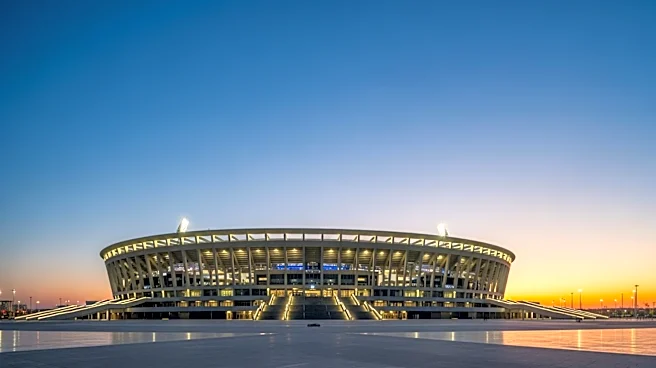









Stade de Gerland in Lyon, France, is not only a significant sports venue but also a cultural landmark that has hosted a variety of events over the years. From rugby and football tournaments to concerts by world-renowned artists, the stadium has played a pivotal role in the entertainment landscape of Lyon. This article explores the diverse events that have taken place at Stade de Gerland, highlighting its multifaceted nature.
Sporting Events at Stade de Gerland
Stade de Gerland has been
a prominent venue for numerous sporting events, showcasing its versatility and capacity to host international competitions. It was one of the host venues for the 1954 and 1972 Rugby League World Cups, with memorable matches such as the 1972 final between Great Britain and Australia. Despite low attendance, the final was notable for its dramatic plays and controversial decisions.
In addition to rugby, the stadium has been a key site for football tournaments. It hosted matches during UEFA Euro 1984, including a semi-final between Spain and Denmark. The 1998 FIFA World Cup further cemented Stade de Gerland's reputation as a world-class venue, with the stadium accommodating several matches, including the high-profile game between the United States and Iran.
Concerts and Cultural Events
Beyond sports, Stade de Gerland has served as a venue for major concerts, attracting audiences from across the region. The stadium has hosted performances by legendary artists such as The Rolling Stones, Michael Jackson, David Bowie, Pink Floyd, and Genesis. These events have drawn large crowds, showcasing the stadium's ability to facilitate mass gatherings and contribute to Lyon's cultural vibrancy.
The combination of sports and entertainment events has made Stade de Gerland a central hub for both local residents and international visitors. Its ability to host diverse events highlights the stadium's adaptability and significance in the cultural landscape of Lyon.
The Legacy of Stade de Gerland
Stade de Gerland's legacy is defined by its role as a versatile venue capable of hosting a wide range of events. Its history of renovations and adaptations reflects the changing demands of both sports and entertainment industries. As Lyon continues to grow as a cultural and sporting destination, Stade de Gerland remains a key player in the city's development.
The stadium's ability to host both sporting events and concerts underscores its importance as a cultural landmark. Whether accommodating international sports tournaments or legendary musical performances, Stade de Gerland continues to be a vital part of Lyon's identity, offering a space where sports and culture converge.