






Nebraska, located in the central United States, is a state with a diverse landscape and climate. Known for its vast plains and agricultural prowess, Nebraska's geography is divided into two major regions: the Dissected Till Plains and the Great Plains. These regions, along with the state's climate, play a significant role in shaping the lifestyle and economy of Nebraska. This article delves into the unique geographic features and climate variations
that define Nebraska.
The Dissected Till Plains
The eastern part of Nebraska is characterized by the Dissected Till Plains, a region known for its gently rolling hills. This area is home to the state's largest cities, Omaha and Lincoln, which are vital economic and cultural centers. The Dissected Till Plains were formed by glacial activity during the Ice Age, leaving behind fertile soil that is ideal for agriculture. This region's landscape supports a variety of crops, contributing significantly to Nebraska's agricultural output.
The presence of major cities in the Dissected Till Plains has led to a concentration of population and infrastructure. Omaha, located on the Missouri River, serves as a hub for transportation and commerce. Lincoln, the state capital, is known for its educational institutions and government services. The combination of fertile land and urban development makes the Dissected Till Plains a crucial area for Nebraska's growth and prosperity.
The Great Plains
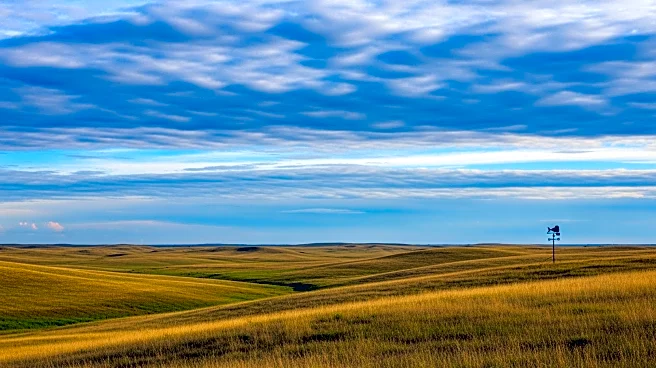
Occupying most of western Nebraska, the Great Plains are characterized by vast, treeless prairies. This region is less populated than the eastern part of the state but is equally important for agriculture, particularly cattle grazing. The Great Plains' open landscape and semi-arid climate make it suitable for ranching, which is a significant part of Nebraska's economy.
The Great Plains are also home to unique natural features, such as the Sandhills, a large area of mixed-grass prairie on sand dunes. This region supports diverse wildlife and is a critical habitat for many species. The Great Plains' expansive vistas and natural beauty attract tourists and outdoor enthusiasts, contributing to Nebraska's tourism industry.
Climate Variations
Nebraska experiences two major climatic zones: a humid continental climate in the east and a semi-arid climate in the west. The state is known for its wide temperature variations between winter and summer, with the Chinook winds providing occasional warmth during the colder months. These winds, originating from the Rocky Mountains, can significantly raise temperatures in western Nebraska during winter and early spring.
The state's climate also includes violent thunderstorms and tornadoes, primarily occurring in spring and summer. These weather events are a part of life in Nebraska, influencing agricultural practices and emergency preparedness. Despite the challenges posed by the climate, Nebraska's residents have adapted to the conditions, making the most of the state's natural resources.
Nebraska's geography and climate are integral to its identity, shaping the state's economy, culture, and way of life. From the fertile plains in the east to the rugged prairies in the west, Nebraska's landscape offers a unique blend of natural beauty and agricultural potential.