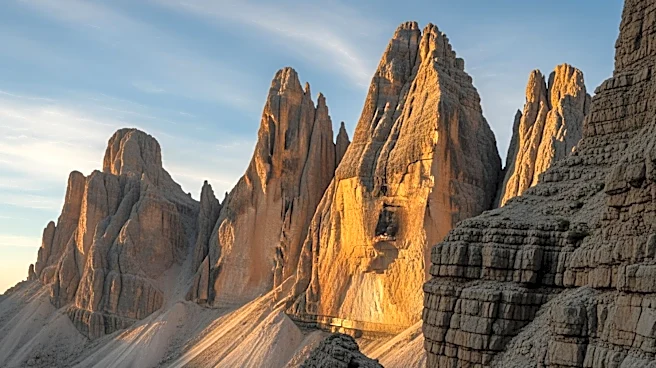

Pinnacles National Park, located in Central California, is not only a geological wonder but also a site rich in history. From its early days as a national monument to its current status as a national park,
Pinnacles has a fascinating story that reflects the broader history of conservation in the United States. This article explores the park's historical journey and the key figures who played a role in its preservation.
Early Inhabitants and European Influence
Before the arrival of European settlers, the Pinnacles region was home to the Chalon and Mutsun groups of the Ohlone people. These Native American groups left behind stone artifacts, evidence of their long-standing presence in the area. However, the arrival of the Spanish in the 18th century brought significant changes. The establishment of a Spanish mission at Soledad led to the decline of the native population due to disease and displacement.
By the late 19th century, the area known as the Pinnacles began to attract visitors from nearby communities. Picnickers and explorers were drawn to the region's unique rock formations and caves. The first printed account of the Pinnacles appeared in 1881, and interest in the area grew steadily over the following decades.
The Path to Preservation
The journey to preserve Pinnacles began with Schuyler Hain, a homesteader who arrived in the area in 1891. Hain was captivated by the region's natural beauty and began advocating for its protection. His efforts caught the attention of influential figures, including Stanford University president David Starr Jordan and Congressman James C. Needham.
In 1908, President Theodore Roosevelt used the Antiquities Act to designate Pinnacles as a national monument, marking the beginning of federal protection for the area. Over the years, the monument's boundaries were expanded, and various federal agencies managed the land. The National Park Service, established in 1916, eventually took over management of the monument.
Becoming a National Park
The campaign to elevate Pinnacles to national park status gained momentum in the early 21st century. Legislation introduced by Congressman Sam Farr led to the redesignation of Pinnacles as a national park in 2013. This change recognized the park's unique geological and ecological significance and ensured its continued protection for future generations.
Today, Pinnacles National Park stands as a testament to the efforts of those who recognized the importance of preserving this unique landscape. Visitors can explore the park's rich history through its trails and interpretive programs, gaining a deeper appreciation for the natural and cultural heritage of this remarkable place.