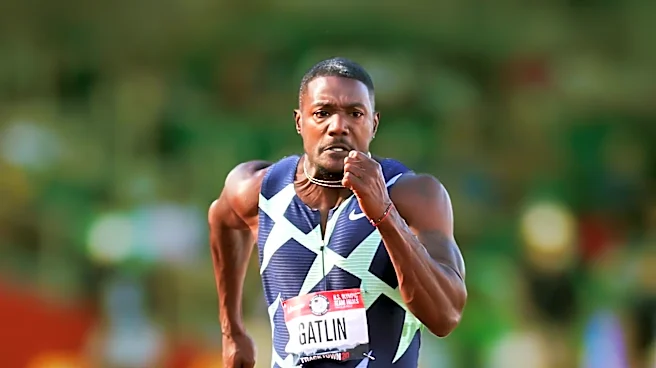










Endurance is a key component in many sports, influencing an athlete's ability to perform consistently over time. While traditionally associated with long-distance events, endurance is also crucial in sports that require sustained effort and recovery. This article explores how endurance training is applied across different sports disciplines, highlighting its importance in both competitive and recreational settings.
Endurance in Distance Sports
In distance sports such as running,
cycling, and swimming, endurance is the foundation of performance. Athletes in these disciplines undergo rigorous endurance training to enhance their aerobic capacity and delay fatigue. For example, long-distance runners focus on building a strong aerobic base through extensive mileage and interval training, allowing them to maintain a steady pace over long races.
Cyclists, particularly those in road racing, rely on endurance to tackle long stages and varying terrains. They use power meters to monitor their output and adjust their training accordingly. Swimmers, on the other hand, incorporate endurance training to improve their ability to sustain speed over multiple laps, crucial for events like the 1500-meter freestyle.
Endurance in Team and Combat Sports
Endurance is not limited to individual sports; it plays a significant role in team and combat sports as well. In sports like soccer, rugby, and basketball, players require endurance to maintain high levels of performance throughout the game. These sports demand a combination of aerobic and anaerobic endurance, as players need to recover quickly between sprints and maintain energy levels during prolonged matches.
Combat sports such as martial arts and boxing also benefit from endurance training. Fighters need to sustain their energy and power throughout multiple rounds, making endurance a critical aspect of their training regimen. By improving their cardiovascular and muscular endurance, athletes in these sports can enhance their ability to execute techniques effectively while minimizing fatigue.
Endurance for General Fitness
Beyond competitive sports, endurance training is popular among non-athletes seeking to improve their overall fitness. It helps increase cardiovascular health, burn calories, and enhance the body's ability to handle daily activities. Many people engage in endurance exercises like jogging, cycling, or swimming to boost their physical condition and support weight management.
Incorporating endurance training into a fitness routine can lead to numerous health benefits, including improved heart health, increased energy levels, and a stronger immune system. By understanding the role of endurance in various sports and fitness contexts, individuals can tailor their training to meet specific goals and enhance their overall well-being.