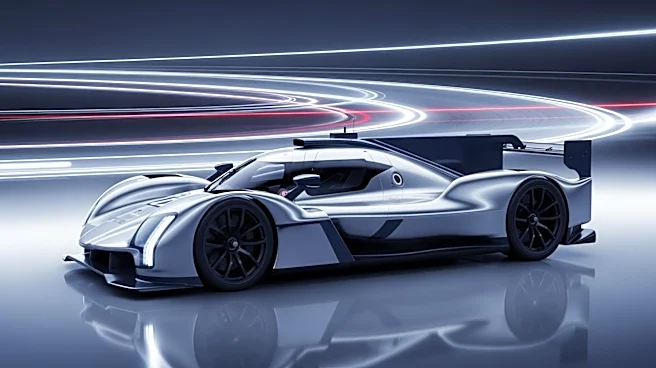



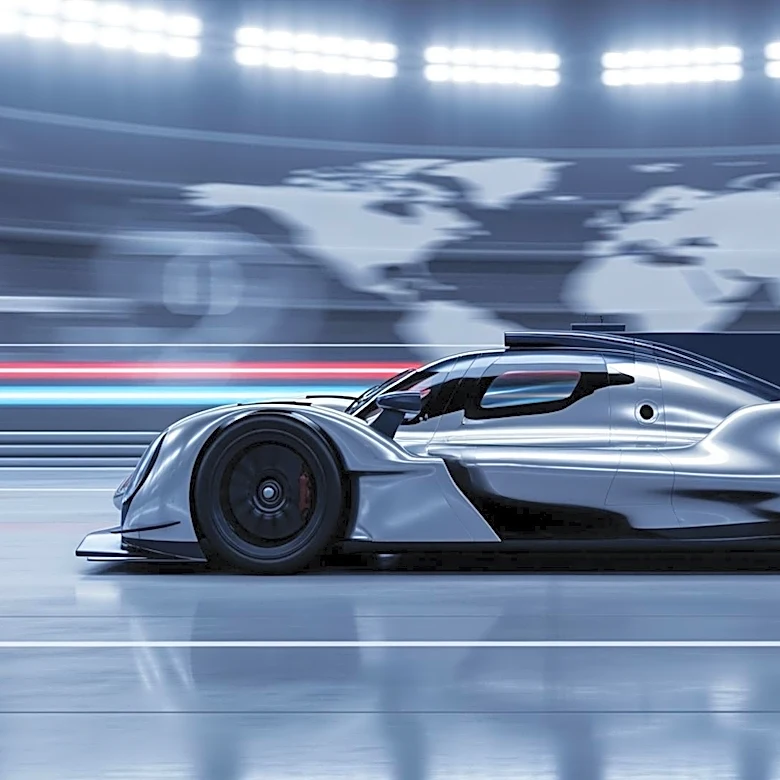



The Le Mans Prototype 1 (LMP1) category has been a cornerstone of endurance racing, showcasing the pinnacle of automotive engineering and innovation. Over the years, LMP1 has evolved significantly, adapting to new technologies and changing regulations. This article delves into the history and development of LMP1, highlighting key milestones and transformations that have shaped this prestigious racing category.
Early Beginnings and Technological Innovations
The LMP1 category was introduced to provide
manufacturers with a platform to demonstrate their engineering prowess in endurance racing. Initially, the focus was on speed and reliability, with manufacturers like Audi and Peugeot leading the charge. These early prototypes were characterized by their powerful engines and aerodynamic designs, which allowed them to achieve remarkable speeds on the track.
As the category matured, technological innovations became a focal point. The introduction of hybrid systems marked a significant shift, allowing teams to harness energy recovery technologies to improve efficiency and performance. This change not only enhanced the competitiveness of the LMP1 cars but also aligned with global trends towards sustainability and reduced emissions.
Regulatory Changes and Their Impact
Throughout its history, LMP1 has undergone several regulatory changes aimed at balancing performance and safety. One of the most notable changes was the requirement for all LMP1 cars to have closed cockpits, a move driven by safety concerns following high-profile accidents. This change not only improved driver protection but also influenced the aerodynamic design of the cars.
Another significant regulatory shift was the introduction of fuel efficiency measures, which required teams to optimize their strategies to minimize pit stops and maximize on-track performance. These regulations encouraged manufacturers to innovate in areas such as engine design and energy recovery systems, further pushing the boundaries of what was possible in endurance racing.
The Legacy and Future of LMP1
The legacy of LMP1 is one of innovation and excellence, with manufacturers continually pushing the limits of technology to gain a competitive edge. The category has seen legendary cars like the Audi R18 and the Porsche 919 Hybrid, which have left an indelible mark on the history of endurance racing.
Looking to the future, the successor to LMP1, the Hypercar class, promises to continue the tradition of innovation. With new technical regulations aimed at preventing cost escalations and enabling greater variety in car design, the Hypercar class is set to usher in a new era of endurance racing. As manufacturers embrace these changes, the spirit of LMP1 will live on, inspiring the next generation of racing prototypes.