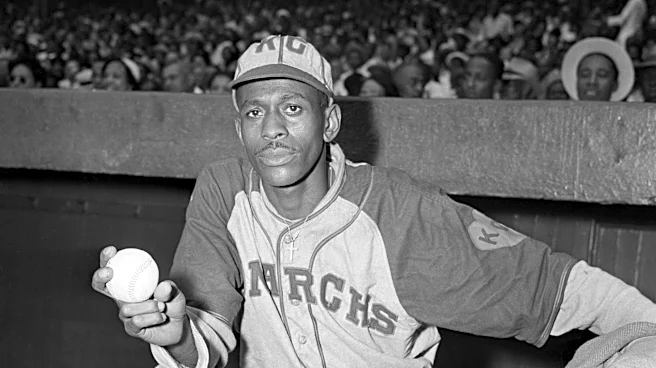







Tris Speaker, a legendary figure in baseball, is renowned not only for his exceptional skills on the field but also for his unique role as a player-manager. This dual role allowed him to influence the game both as a player and a leader, leaving a lasting impact on the teams he managed. Speaker's tenure as a player-manager is a fascinating chapter in baseball history, showcasing his strategic mind and leadership abilities.
The Role of a Player-Manager
In the early 20th century,
the concept of a player-manager was not uncommon. This role required an individual to perform the dual duties of playing on the field while also managing the team. Tris Speaker took on this challenging position with the Cleveland Indians, where he demonstrated his ability to lead by example. As a player-manager, Speaker was responsible for making strategic decisions, such as setting lineups and making in-game adjustments, all while maintaining his performance as a player.
Speaker's leadership style was characterized by his deep understanding of the game and his ability to inspire his teammates. His presence on the field and in the dugout provided a unique advantage, as he could directly influence the game's outcome through both his play and his managerial decisions. This dual role required a high level of skill, focus, and dedication, qualities that Speaker possessed in abundance.
Achievements and Challenges
During his time as a player-manager, Tris Speaker achieved significant success. Under his leadership, the Cleveland Indians won the World Series in 1920, marking a major milestone in the team's history. Speaker's ability to manage the team while contributing as a player was instrumental in this achievement. His strategic decisions and on-field performance were key factors in the team's success.
However, the role of a player-manager was not without its challenges. Balancing the responsibilities of playing and managing required Speaker to be constantly aware of both his performance and the team's dynamics. This dual focus could be demanding, but Speaker's experience and leadership skills allowed him to navigate these challenges effectively. His tenure as a player-manager is a testament to his versatility and commitment to the game.
Speaker's Lasting Impact
Tris Speaker's legacy as a player-manager extends beyond his achievements on the field. His ability to lead and manage a team while maintaining his status as a top player set a standard for future generations. Speaker's influence can be seen in the way he shaped the teams he managed and the respect he garnered from his peers.
Speaker's induction into the National Baseball Hall of Fame in 1937 further solidified his status as one of the game's greats. His contributions as a player-manager are an integral part of his legacy, highlighting his unique role in baseball history. Tris Speaker's impact on the game continues to be felt, inspiring future players and managers to strive for excellence both on and off the field.