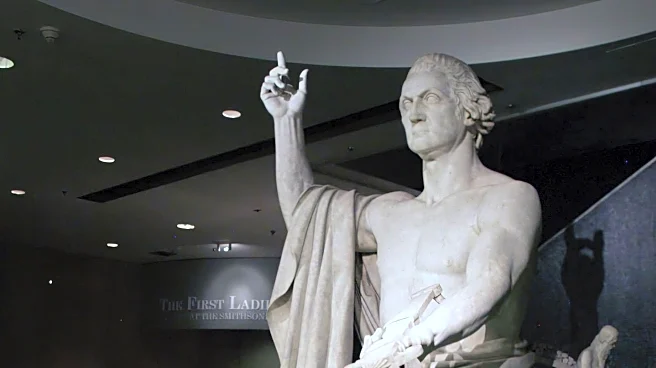




Abraham Lincoln's presidency is often celebrated for his pivotal role in the abolition of slavery and the Reconstruction era that followed the Civil War. As the 16th president of the United States, Lincoln's leadership during a tumultuous period in American history left a lasting legacy that continues to shape the nation.
The Emancipation Proclamation
Lincoln's commitment to ending slavery was evident in his issuance of the Emancipation Proclamation on January 1, 1863. The proclamation
declared the freedom of slaves in Confederate territory, transforming the Civil War into a battle for emancipation as well as the preservation of the Union.
While the Emancipation Proclamation did not immediately free all slaves, it marked a significant turning point in the war and laid the groundwork for the eventual abolition of slavery. Lincoln's decision to issue the proclamation was influenced by both moral and strategic considerations, as he believed that freeing the slaves would weaken the Confederacy's economic base and bolster the Union's moral cause.
The Thirteenth Amendment
Lincoln's dedication to the abolition of slavery culminated in the passage of the Thirteenth Amendment, which made slavery unconstitutional in the United States. After winning re-election in 1864, Lincoln made the ratification of the amendment a top priority, working closely with Congress to secure its passage.
The Thirteenth Amendment was sent to the states for ratification and was proclaimed adopted on December 18, 1865, after Lincoln's assassination. The amendment represented a significant victory for the abolitionist movement and solidified Lincoln's legacy as the Great Emancipator.
Reconstruction and Lincoln's Vision
As the Civil War came to a close, Lincoln faced the challenge of reintegrating the Southern states into the Union. His approach to Reconstruction was characterized by a desire to heal the nation's wounds and promote unity. Lincoln's ten percent plan called for the re-admission of Southern states once ten percent of voters took an oath of allegiance to the U.S. and pledged to respect emancipation.
Lincoln's vision for Reconstruction was met with resistance from Radical Republicans, who sought more far-reaching reforms to Southern society. Despite these challenges, Lincoln's leadership during the Reconstruction era laid the foundation for the eventual passage of the Fourteenth and Fifteenth Amendments, which granted citizenship and voting rights to African Americans.
Abraham Lincoln's legacy as a champion of emancipation and Reconstruction continues to resonate in American history. His leadership during a critical period in the nation's development paved the way for a more just and equitable society.