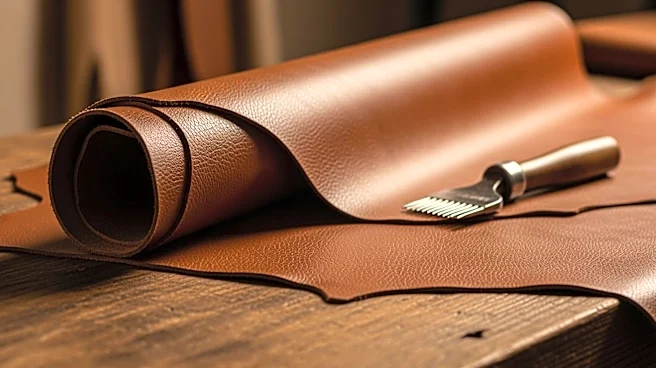






Leather is a versatile material that has been used for centuries in various applications, from clothing to furniture. The process of transforming raw animal hides into durable leather involves several intricate steps. This article delves into the leather production process, highlighting the preparatory stages, tanning, and crusting, which are essential to creating high-quality leather.
Preparatory Stages
The journey of leather production begins with the preparatory stages,
where raw hides are prepared for tanning. During this phase, unwanted components of the skin are removed, and the hide is treated to prevent decay. Preservation is a crucial step, ensuring the hide remains temporarily resistant to decomposition. Soaking follows, reintroducing water to cleanse and rehydrate the hide.
Liming is another vital process, where unwanted proteins are removed, and the hide is opened up for further treatment. Unhairing removes the majority of hair from the hide, while fleshing eliminates subcutaneous material. Splitting involves cutting the hide into layers, and deliming removes chemicals used in previous steps. Bating introduces enzymes to soften the hide, and degreasing strips natural fats and oils.
Tanning Process
Tanning is the core of leather production, converting the protein in raw hides into a stable material that resists decay. This process ensures the leather remains flexible and durable, suitable for various applications. Chromium is the most commonly used tanning agent, leaving the leather with a pale blue color known as “wet blue.”
The tanning process involves immersing hides in a drum with tanning liquor, allowing the solution to penetrate the hide. Regular checks ensure even penetration, and basification raises the pH to fix the tanning material. This step enhances the leather's stability and resistance to shrinkage.
Crusting and Surface Coating
Crusting is the final stage in leather production, where the hide is thinned, retanned, and lubricated. This phase often includes coloring operations, adding aesthetic value to the leather. Chemicals used during crusting are fixed in place, culminating in drying and softening operations.
Surface coating, or finishing, may be applied to some leathers, adding a protective layer. This step enhances the leather's appearance and durability, making it suitable for various end uses. The leather production process, while complex, results in a versatile material that continues to be valued across industries.