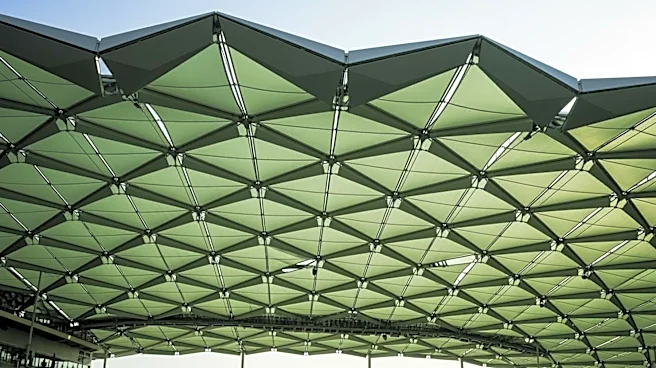








Al Bayt Stadium in Al Khor, Qatar, is not only a venue for world-class sports events but also a model of sustainable design. Certified under the Global Sustainability Assessment System (GSAS), the stadium exemplifies Qatar's commitment to environmental responsibility. This article delves into the sustainable features of Al Bayt Stadium and its impact on the environment.
Sustainable Design and Construction
The design and construction of Al Bayt Stadium were guided by principles of sustainability.
The stadium received a five-star GSAS rating, highlighting its excellence in sustainable design and construction management practices. This certification reflects the stadium's commitment to minimizing its environmental impact while providing a state-of-the-art facility for sports events.
One of the key sustainable features of the stadium is its energy-efficient design. The stadium's energy center is optimized for efficiency, reducing the overall energy consumption of the facility. Additionally, the use of a polytetrafluoroethylene (PTFE) woven fiberglass membrane for the exterior not only enhances the stadium's durability but also contributes to its energy efficiency.
Environmental Impact and Community Benefits
Al Bayt Stadium's sustainable design extends beyond energy efficiency. The construction management practices employed during the building phase focused on reducing waste and minimizing the environmental footprint. These efforts ensure that the stadium is not only a world-class sports venue but also a leader in sustainable architecture.
The stadium's location in Al Khor, 35 km from Doha, provides an opportunity to integrate with the local community and environment. The design of the stadium, inspired by traditional Qatari tents, reflects the cultural heritage of the region while promoting environmental responsibility.
Future Sustainability Initiatives
Looking to the future, Al Bayt Stadium is set to undergo a transformation that will further enhance its sustainability credentials. Following the 2022 FIFA World Cup, the stadium's capacity will be reduced from 71,000 to 32,000 seats. The excess seats will be donated to other countries or used for the 2030 Asian Games infrastructure, promoting resource efficiency and sustainability.
The vacated space will be repurposed into a five-star hotel, a shopping mall, and additional sports facilities. These developments will ensure that Al Bayt Stadium continues to serve the community and contribute to Qatar's sustainable development goals. By integrating sustainability into its design and future plans, Al Bayt Stadium sets a benchmark for environmentally responsible sports venues worldwide.