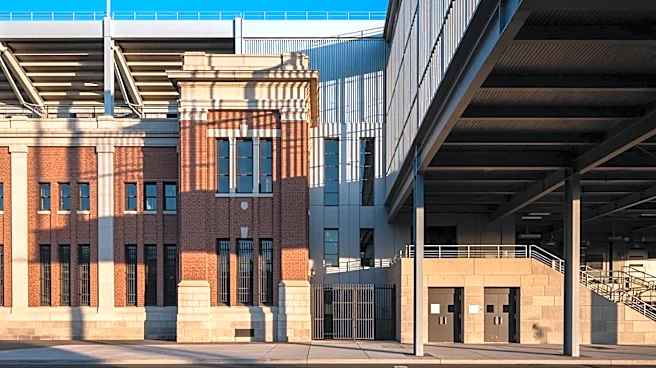



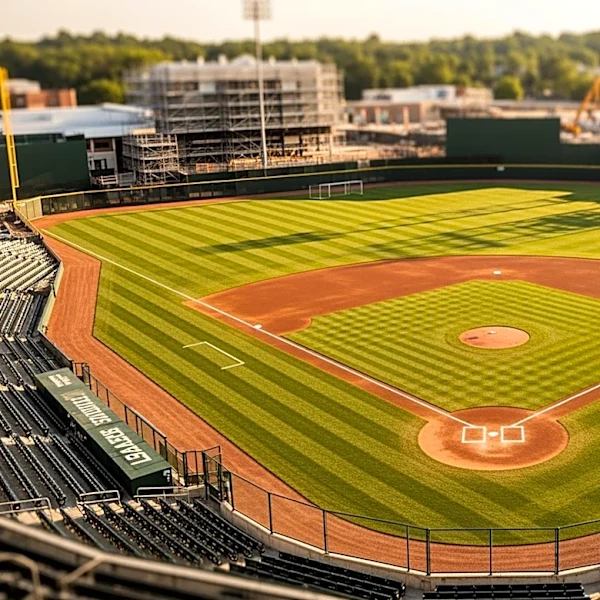
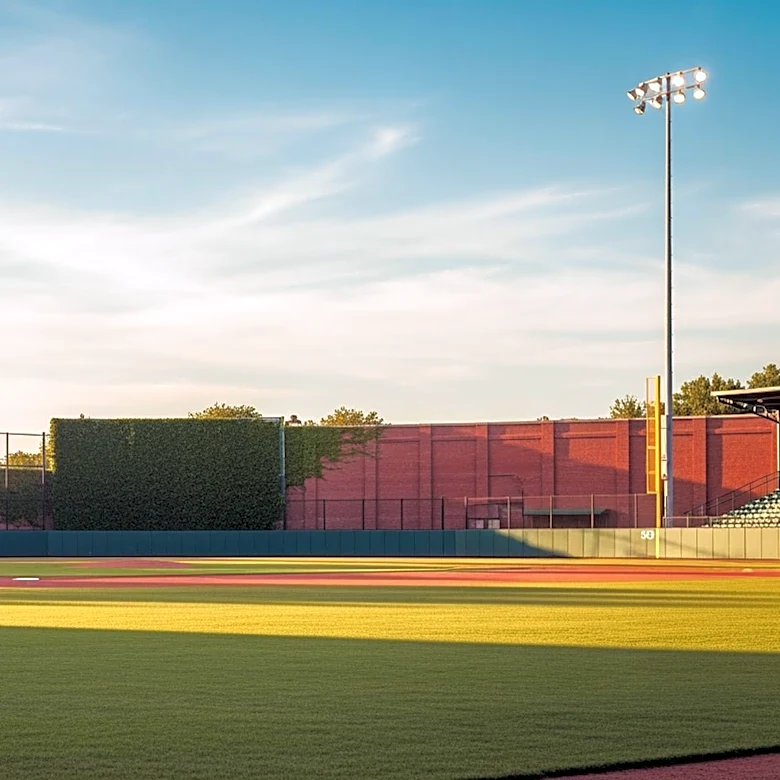



Tiger Stadium, located in Detroit, Michigan, was a marvel of architectural evolution, reflecting changes in design and functionality over nearly a century. From its early days as Navin Field to its final years as Tiger Stadium, the venue underwent numerous transformations. This article examines the architectural and design changes that defined Tiger Stadium's history.
Early Design and Construction
The origins of Tiger Stadium trace back to 1895 when George Vanderbeck built Bennett
Park at the corner of Michigan and Trumbull Avenues. This early stadium featured a wooden grandstand and a peaked roof, typical of the era's ballparks. However, as baseball's popularity grew, the need for a more modern facility became apparent.
In 1911, Frank Navin, the new owner of the Detroit Tigers, commissioned the construction of a steel-and-concrete ballpark on the same site. Navin Field opened in 1912, boasting a seating capacity of 23,000. The design included a 90-degree rotation of the diamond, with home plate now located in what had been left field at Bennett Park. This new orientation improved sightlines and accommodated more spectators.
Expansion and Modernization
Over the years, Navin Field underwent several expansions to meet the demands of growing crowds. In 1935, following Navin's death, Walter Briggs Sr. took over ownership and initiated further expansions. By 1938, the stadium, now known as Briggs Stadium, had a capacity of 53,000, thanks to the addition of a double-decked left-field seating area.
In 1961, under the ownership of John Fetzer, the stadium was renamed Tiger Stadium. This period saw significant renovations, including the replacement of wooden seats with blue and orange plastic ones and a change in the interior color scheme. The stadium's design also featured a unique overhang in right field, which occasionally turned high fly balls into home runs.
Final Years and Legacy
Despite its rich history and architectural charm, by the early 1990s, Tiger Stadium was considered outdated. Efforts to preserve the stadium were ultimately unsuccessful, and it was demolished in 2009. However, the site did not remain vacant for long. In 2018, The Corner Ballpark opened on the former site of Tiger Stadium, serving as a venue for youth sports and community events.
The original flagpole from Tiger Stadium was preserved and now stands at The Corner Ballpark, serving as a reminder of the site's storied past. The architectural legacy of Tiger Stadium lives on through its influence on modern ballpark design and its enduring place in Detroit's history.
Tiger Stadium's architectural evolution reflects the changing needs and tastes of sports fans over the decades, making it a significant part of Detroit's cultural and architectural heritage.