


Bottle openers are a staple in many households and bars, serving the simple yet essential function of removing metal caps from bottles. While their purpose is straightforward, the history and evolution of bottle openers reveal a fascinating journey of innovation and adaptation. From the first patented designs to the various types available today, bottle openers have undergone significant changes to meet the needs of users.
Early Innovations
The journey of the bottle
opener began in the late 19th century. Alfred L. Bernardin of the Bernardin Bottle Cap Company in Evansville, Indiana, was the first to apply for and receive a U.S. patent for a bottle opener on July 11, 1893. His design was a one-handed, table-mounted opener, ideal for bartenders who needed to open bottles quickly and efficiently. This early innovation set the stage for future developments in bottle opener design.
Interestingly, William Painter of Baltimore is often credited with the invention of the "crown cork" bottle cap, which necessitated the creation of the bottle opener. Painter's patent, received on February 6, 1894, was for a hand-held design. Despite Bernardin's earlier patent, Painter's contribution to the bottle cap and opener industry is widely recognized, highlighting the collaborative nature of innovation during this period.
Varieties and Designs
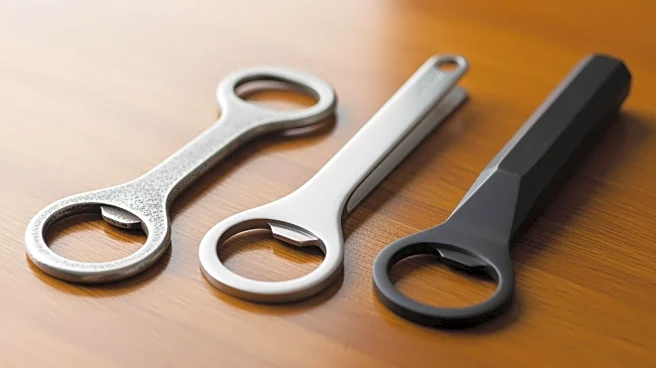
Over the years, bottle openers have evolved into various designs, each catering to different needs and preferences. The basic functional elements of a bottle opener—a tooth or lip to catch the underside of the cap, a fulcrum to exert force, and a lever for mechanical advantage—remain consistent across designs. However, the aesthetics and specific mechanisms can vary significantly.
Mounted bottle openers, for instance, are attached to surfaces like tables, bar counters, or walls, allowing for one-handed operation. These were once common on vending machines that dispensed bottled soft drinks. Hand-held openers, on the other hand, are more portable and versatile, featuring a simple metal piece with an opening to catch the bottle cap.
Modern Adaptations
In modern times, the "speed opener" or "bar blade" has gained popularity, especially among professional bartenders. This flat blade of steel is designed for quick and efficient bottle opening, often used in bar flair routines. The speed opener's design allows bartenders to open several bottles in rapid succession, adding an element of showmanship to the process.
Additionally, beverage openers have expanded to include multi-functional tools that can open plastic bottles and metal beverage cans. These adaptations reflect the changing landscape of beverage consumption and the need for versatile tools that cater to various container types.
The evolution of the bottle opener is a testament to human ingenuity and the continuous drive to improve everyday tools. From its humble beginnings to the diverse designs available today, the bottle opener remains an essential tool in both domestic and commercial settings.