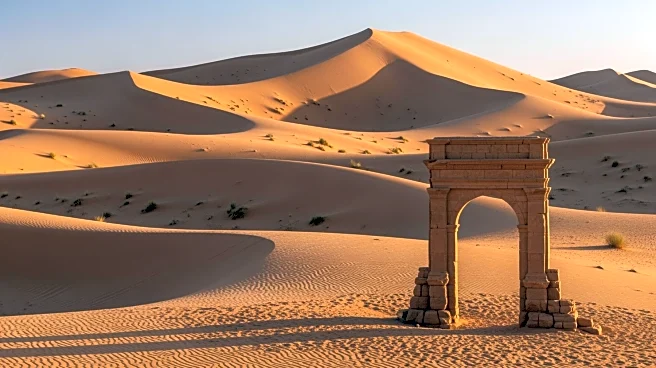




Tourism is a vital sector of Jordan's economy, contributing significantly to the country's GDP. With its rich historical heritage and diverse natural landscapes, Jordan attracts millions of tourists each year. The Ministry of Tourism and Antiquities plays a crucial role in overseeing tourism policy and promoting the country's attractions. This article examines the impact of tourism on Jordan's economy and the strategies employed to develop this thriving
industry.
Economic Impact of Tourism
Tourism is a major contributor to Jordan's economy, accounting for a significant portion of the country's GDP. In 2017, Jordan recorded over 3.8 million tourists, highlighting the sector's importance as a source of revenue and employment. The influx of tourists supports various industries, including hospitality, transportation, and retail, creating jobs and stimulating economic growth.
The tourism sector's contribution to the economy extends beyond direct revenue. It also attracts foreign investment, as seen in the development of luxury hotels, resorts, and real estate projects. These investments not only enhance the country's tourism infrastructure but also create opportunities for local businesses and entrepreneurs. The economic impact of tourism in Jordan underscores its role as a key driver of development and prosperity.
Development Strategies and Initiatives
To further enhance its tourism industry, Jordan has implemented various development strategies and initiatives. The Ministry of Tourism and Antiquities, in collaboration with international partners, works to improve the country's competitiveness as a tourist destination. This includes developing a new national hotel classification system, enhancing tourism research and destination marketing, and promoting eco-tourism and adventure tourism.
The USAID-funded Jordan Tourism Development Project, known as Siyaha, is one such initiative aimed at boosting the sector. This project focuses on strengthening legal and institutional capacities, enhancing visitor experiences, and developing the handicraft sector. By investing in these areas, Jordan aims to attract more tourists and ensure sustainable growth in the industry.
Challenges and Opportunities
Despite its successes, Jordan's tourism industry faces several challenges. Regional security concerns and political instability can impact tourist arrivals, while environmental issues such as water scarcity pose additional risks. To address these challenges, Jordan is focusing on sustainable tourism practices and crisis management planning.
Opportunities for growth in the tourism sector include expanding niche markets such as medical tourism, cultural tourism, and adventure tourism. Jordan's strategic location in the Middle East, combined with its rich cultural heritage and natural beauty, positions it well to capitalize on these opportunities. By continuing to invest in infrastructure and marketing, Jordan can further strengthen its tourism industry and enhance its economic resilience.
Jordan's tourism industry is a vital component of the country's economy, offering significant opportunities for growth and development. Through strategic initiatives and investments, Jordan is working to overcome challenges and ensure the sustainable success of its tourism sector. As the country continues to attract visitors from around the world, tourism will remain a key driver of economic prosperity and cultural exchange.