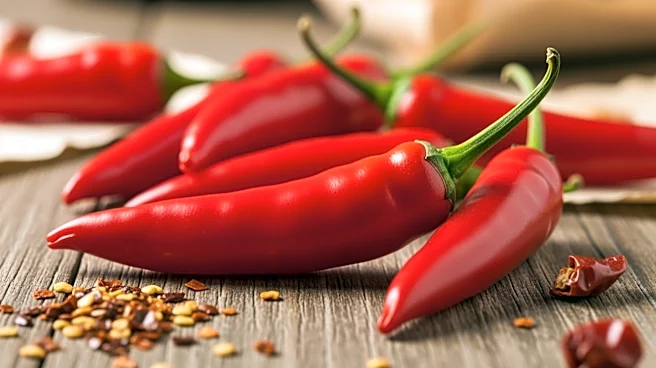


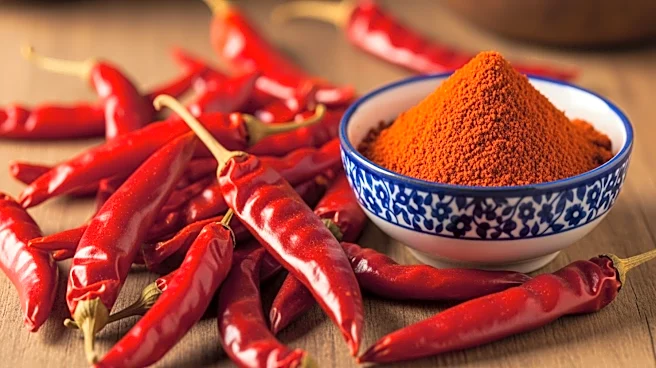


Cayenne pepper, a fiery member of the Capsicum annuum species, has a rich history that spans continents and centuries. Originally cultivated by indigenous peoples in the Americas, cayenne pepper has traveled far and wide, becoming a beloved spice in cuisines around the world. This article explores the historical journey of cayenne pepper, from its origins to its global spread.
Origins and Early Cultivation
Cayenne pepper traces its roots back to the Americas, where it was cultivated
by indigenous peoples for thousands of years. The pepper is believed to have originated in French Guiana, north of Brazil, and was a staple in the diets of the local populations. Its cultivation dates back over 7,000 years, making it one of the oldest known crops in the region.
The pepper's name is thought to be derived from the Old Tupi language, once spoken in Brazil, where "kyynha" meant "capsicum." The town of Cayenne in French Guiana is also related to the pepper's name, though it is unclear whether the town was named after the pepper or the Cayenne River.
Introduction to Europe and Beyond
Cayenne pepper's journey beyond the Americas began with Christopher Columbus, who introduced the pepper to Europe in the late 15th century. At the time, Europe was experiencing a spice shortage due to heavy taxes imposed by the Ottoman Empire. Cayenne pepper, with its intense heat and easy cultivation, quickly became a popular substitute for more expensive spices like black pepper.
The pepper's introduction to Europe marked the beginning of its global spread. It was soon adopted in various cuisines across the continent and beyond. The Portuguese and Spanish played significant roles in spreading cayenne pepper to Africa and Asia, where it became an integral part of local culinary traditions.
Cayenne Pepper in Modern Cuisine
Today, cayenne pepper is a staple in kitchens worldwide. Its versatility and heat make it a popular choice for adding spice to dishes, from hot sauces to curries. In North America, it is a key ingredient in crushed red pepper and is used in popular hot sauces like Frank's RedHot and Texas Pete.
The pepper's journey from the Americas to the rest of the world is a testament to its enduring appeal. As a spice that transcends cultural boundaries, cayenne pepper continues to be celebrated for its flavor and heat, making it a timeless addition to global cuisine.