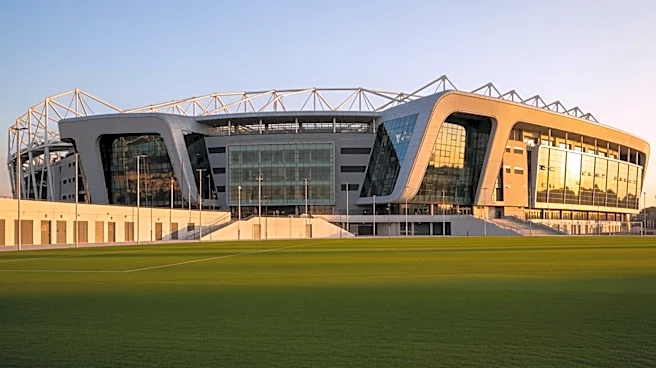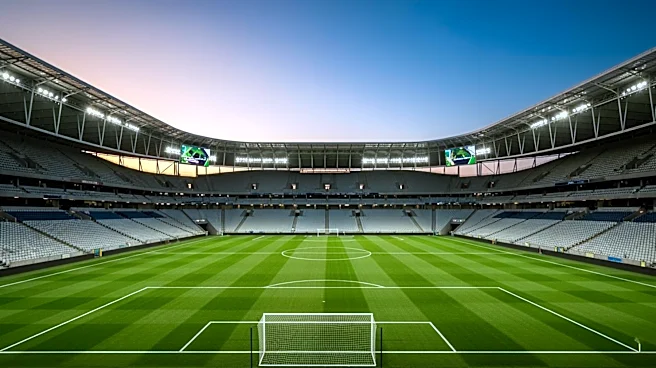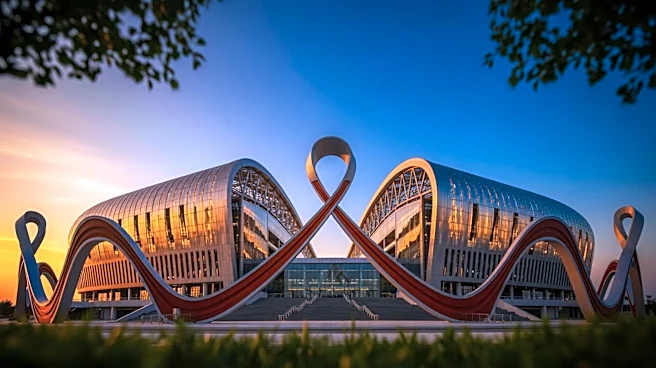

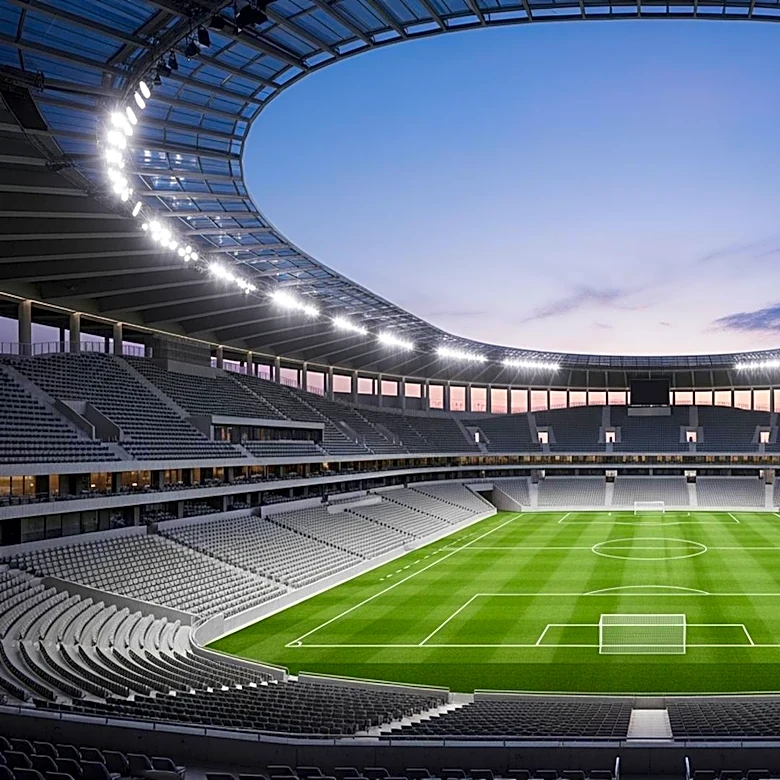





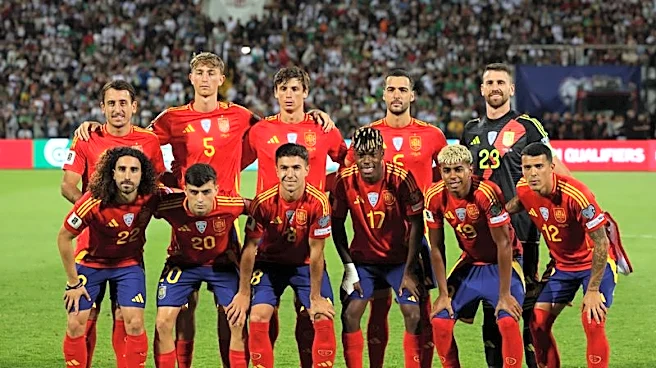
Estádio Nacional Mané Garrincha is more than just a football stadium; it is a cultural icon in Brasília, Brazil. Named after the legendary footballer Mané Garrincha, the stadium holds a special place in the hearts of many Brazilians. This article explores the cultural and social significance of this iconic venue.
A Symbol of Brazilian Football
Football is an integral part of Brazilian culture, and Estádio Nacional Mané Garrincha embodies this passion. The stadium is named after
Mané Garrincha, a beloved figure in Brazilian football history. Garrincha's legacy as a skilled and charismatic player resonates with fans, making the stadium a symbol of national pride.
The stadium has hosted numerous important matches, serving as a stage for both local and international football events. Its role in the 2014 FIFA World Cup further cemented its status as a key venue in the world of sports. For many Brazilians, attending a match at Estádio Nacional Mané Garrincha is a cherished experience, connecting them to the rich history of Brazilian football.
A Venue for Cultural Events
Beyond football, Estádio Nacional Mané Garrincha is a versatile venue that hosts a variety of cultural events. Concerts, festivals, and other gatherings take place within its walls, attracting diverse audiences from across the country. This versatility enhances its cultural significance, making it a hub for entertainment and social interaction.
The stadium's location in Brasília, the capital of Brazil, adds to its cultural importance. As a central venue in the city, it plays a role in shaping the cultural landscape of the region. Events held at the stadium often draw national attention, highlighting its role as a cultural centerpiece.
Social and Economic Contributions
Estádio Nacional Mané Garrincha also contributes to the social and economic fabric of Brasília. The stadium generates employment opportunities and stimulates local businesses, particularly during major events. Its presence boosts tourism, attracting visitors who contribute to the local economy.
Socially, the stadium serves as a gathering place for people from all walks of life. It fosters a sense of community and shared experience, bringing people together through sports and cultural events. This social aspect enhances its cultural impact, making it a beloved institution in Brasília.
In conclusion, Estádio Nacional Mané Garrincha is a cultural icon that transcends its role as a sports venue. Its significance in Brazilian football, its versatility as an event space, and its contributions to the local community make it a vital part of Brasília's cultural identity.