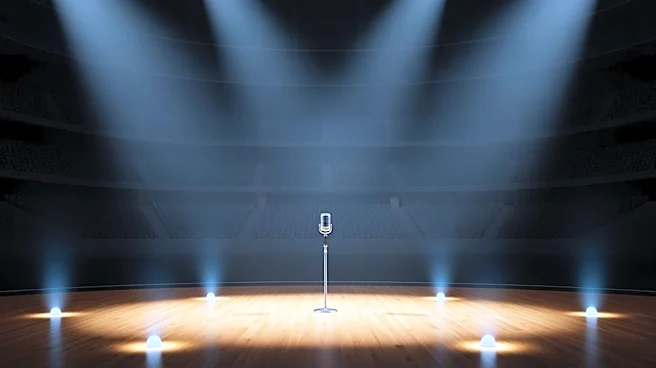



Reunion Arena in Dallas, Texas, was not only a venue for sports and entertainment but also a significant stage for political events. Over the years, it hosted numerous rallies and speeches by prominent political figures, making it a key location for political discourse in the region. This article explores the political history of Reunion Arena, highlighting its role in shaping political narratives.
A Platform for Presidential Campaigns
Reunion Arena was a popular stop for presidential
candidates, serving as a venue for campaign rallies and speeches. In 1984, President Ronald Reagan addressed a crowd of 10,000 people at a prayer breakfast during the Republican National Convention. This event underscored the arena's importance as a gathering place for political supporters and its ability to accommodate large audiences.
In 1992, Dallas billionaire Ross Perot chose Reunion Arena as the final stop for his independent presidential campaign, drawing a crowd of about 5,000 people. The arena's central location and capacity made it an ideal choice for candidates looking to connect with voters in the Dallas area. These events contributed to the arena's reputation as a significant political venue.
Hosting Political Leaders
Beyond presidential campaigns, Reunion Arena also hosted other notable political figures. In 1994, President Bill Clinton visited the arena to watch the University of Arkansas basketball team play in the NCAA tournament. This visit highlighted the arena's dual role as a sports and political venue, attracting leaders from various fields.
In 2006, President George W. Bush headlined a campaign rally at the arena on behalf of Texas Governor Rick Perry, drawing a crowd of 13,000 people. The arena's ability to host such high-profile events demonstrated its significance as a political stage in Dallas.
The Final Political Rally
One of the last major political events at Reunion Arena was a campaign rally for then-Senator Barack Obama in 2008. The event filled the arena to its capacity of 17,000, with many more supporters turned away by the fire department. This rally was one of the final events held at the arena before its closure and demolition in 2009.
Reunion Arena's legacy as a political stage is marked by the numerous leaders and events it hosted over the years. While the arena no longer stands, its impact on the political landscape in Dallas remains a testament to its historical significance.