



Every autumn, deciduous trees transform landscapes with their stunning display of colors. This natural phenomenon is not only visually captivating but also plays a crucial role in the ecological dynamics of temperate regions. In this article, we explore the science behind the vibrant hues of deciduous trees and their ecological significance.
The Science of Autumn Colors
The brilliant colors of autumn are a result of complex physiological changes within deciduous trees. As daylight
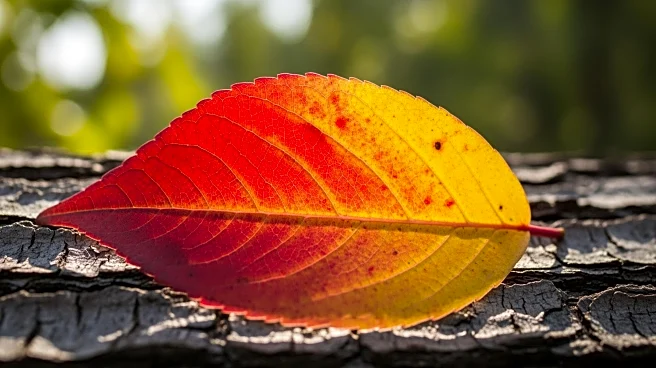
decreases and temperatures drop, the chlorophyll in the leaves begins to break down. This process reveals other pigments present in the leaves, such as carotenoids and anthocyanins, which produce yellow, orange, red, and purple hues.
Carotenoids are responsible for the yellow and orange colors, while anthocyanins contribute to the reds and purples. Interestingly, anthocyanins are not always present in the leaves but are produced in late summer when sugars accumulate in the foliage. The intensity of autumn colors is influenced by environmental factors, with the brightest displays occurring when days are short and nights are cool but above freezing.
Ecological Role of Leaf Coloration
The vibrant colors of deciduous trees serve several ecological purposes. For one, they signal the transition from active growth to dormancy, allowing trees to conserve energy and resources during the winter months. The shedding of leaves reduces water loss and minimizes damage from ice storms and harsh weather conditions.
Moreover, the colorful display attracts various species of wildlife. Birds and mammals are drawn to the trees for food and shelter, while insects are lured by the bright colors for pollination. This interaction between trees and wildlife contributes to the biodiversity and ecological balance of temperate forests.
Regional Variations in Autumn Colors
The intensity and variety of autumn colors vary across different regions. In North America, particularly in the New England region, the combination of strong sunlight and cool temperatures produces some of the most spectacular displays. In contrast, Europe tends to have less vibrant colors due to its humid maritime climate and lower species diversity.
In the Southern Hemisphere, distinct fall colors are limited to areas with milder winters, such as southern South America and parts of Australia. These regional differences highlight the influence of climate and geography on the coloration of deciduous trees.
Deciduous trees offer a breathtaking spectacle each autumn, showcasing nature's artistry and ecological complexity. Their colorful display is a reminder of the intricate relationships between plants, wildlife, and the environment.